7-Day Intermittent Fasting Meal Plan For Beginner- 16:8 Meal Plan
What’s Inside
✦ What is Intermittent Fasting? ✦ How the 16:8 Method Works
✦ The Science Behind Fasting ✦ Health Benefits
✦ Full 7-Day Meal Plan ✦ Tips for Success
What Is Intermittent Fasting?
Intermittent fasting (IF) is not a diet — it is an eating pattern. Rather than restricting what you eat, intermittent fasting focuses on when you eat. You alternate between scheduled periods of eating and fasting, allowing your body to burn stored fat as fuel during the fasting window.
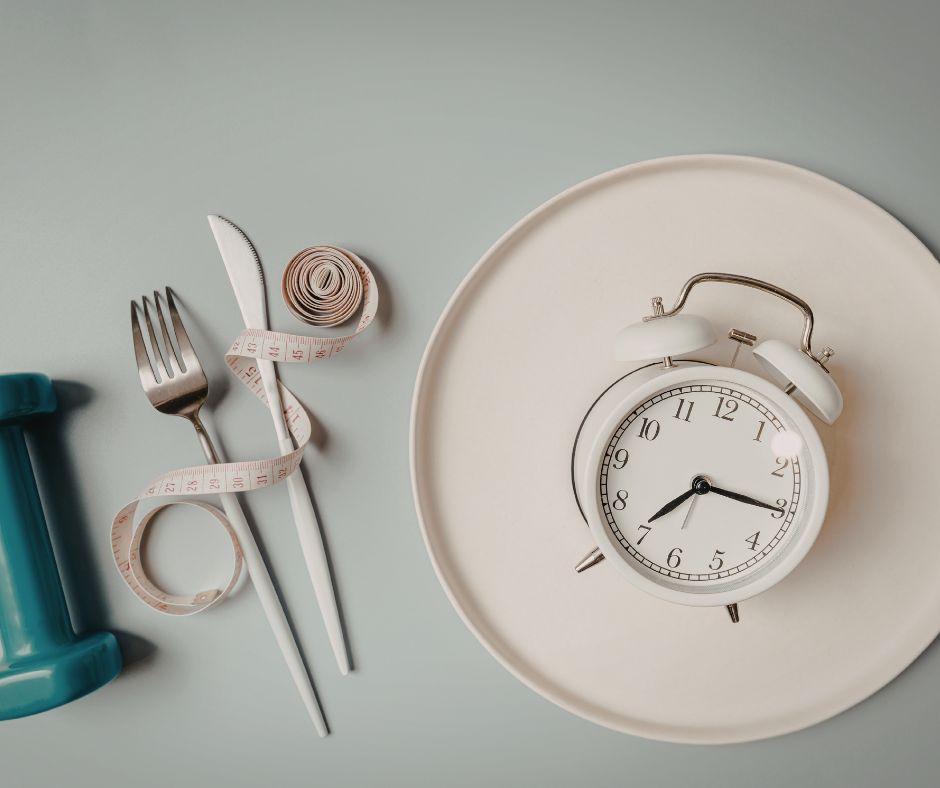
Fasting is not a new concept. Our ancestors regularly went without food due to limited availability, and many religious traditions incorporate periodic fasting. Modern intermittent fasting takes these principles and builds a structured, flexible lifestyle around them — with clear fat-burning and health benefits.
During your fasting window, you can consume:
- Water (still or sparkling)
- Black coffee (no sugar or milk)
- Plain herbal or green tea
- Other non-caloric beverages
Choosing Your Fasting Method
There are several ways to practice intermittent fasting. The table below outlines the most common methods so you can choose the one that fits your lifestyle best:
| Method | How It Works | Difficulty |
| 12/12 | Fast 12 hrs, eat 12 hrs | ⭐⭐⭐⭐⭐ Best for beginners |
| 16/8 | Fast 16 hrs, eat 8 hrs | ⭐⭐⭐⭐ Most popular |
| 20/4 | Fast 20 hrs, eat 4 hrs | ⭐⭐⭐ Intermediate |
| Eat-Stop-Eat | Full 24-hr fast, 1-2x/week | ⭐⭐ Advanced |
| 5:2 Diet | 500-600 cal on 2 days/week | ⭐⭐ Advanced |
Why the 16:8 Method is Ideal for Most Beginners
The 16:8 method — fasting for 16 hours and eating within an 8-hour window — is the most widely practiced and well-researched form of intermittent fasting. It is sustainable, flexible, and fits naturally into a modern schedule.
A typical 16:8 schedule looks like this:
- Eating window: 12:00 PM – 8:00 PM (or 10 AM – 6 PM)
- Fasting window: 8:00 PM – 12:00 PM the next day
- 8 of those fasting hours are spent sleeping — making it easier than it sounds
The Science: How Intermittent Fasting Works
When you eat, your body uses glucose from food as its primary energy source. Excess glucose is stored as fat. During a fast, glucose levels drop and your body shifts to burning stored fat for fuel. This is the core mechanism behind intermittent fasting’s weight loss benefits.
Several key hormonal and metabolic changes drive this process:
Insulin
Insulin regulates blood glucose levels and rises after every meal. Elevated insulin actively prevents fat breakdown. During fasting, insulin levels fall significantly — signaling the body to begin metabolizing stored fat for energy. Lower insulin is one of the most important triggers of fat loss.
Human Growth Hormone (HGH)
HGH promotes the breakdown of fat while preserving lean muscle mass. Research suggests HGH levels can increase by up to 5-fold during a fasting period — dramatically accelerating fat metabolism and supporting muscle retention.
Norepinephrine (Noradrenaline)
The nervous system releases norepinephrine during fasting, which signals fat cells to break down their stored triglycerides into free fatty acids. These fatty acids are then used as fuel, effectively turning your fat stores into energy.
Cellular Autophagy
One of the most exciting benefits of fasting is the activation of autophagy — your cells’ natural self-cleaning process. During autophagy, cells identify and remove damaged or dysfunctional proteins, helping to slow aging, reduce inflammation, and protect against disease.
Gene Expression
Fasting activates specific genes linked to longevity and disease resistance. These genetic changes help protect cells from stress and may reduce the risk of chronic diseases over time.
Health Benefits of Intermittent Fasting
Beyond weight loss, a consistent intermittent fasting practice has been associated with a wide range of evidence-backed health benefits:
- Weight and fat loss — by reducing calorie intake and boosting fat-burning hormones
- Improved insulin sensitivity — lowering the risk of type 2 diabetes
- Better brain function and cognitive clarity
- Reduced blood pressure and improved cholesterol levels
- Decreased systemic inflammation — a key driver of chronic disease
- Cellular repair via autophagy — supporting longevity
- Potential protection against certain cancers and neurodegenerative diseases
Your 7-Day 16:8 Meal Plan
This beginner-friendly meal plan is designed for the 16:8 method, with an eating window from 12:00 PM to 8:00 PM. Each day includes two main meals and one snack — all clean, nutritious, and satisfying.
| Your Daily 16:8 Schedule |
| ⏰ 12:00 PM — Meal #1 (Break your fast) |
| 🍎 3:00 PM — Snack (optional) |
| 🍽️ 6:00 PM — Meal #3 |
| 🚫 8:00 PM — Eating window closes |
| 💧 8 PM – 12 PM — Fasting window (water, tea & black coffee only) |
| Day | Meal #1 (12 PM) | Snack (3 PM) | Meal #3 (6 PM) |
| Mon | Avocado Chicken Salad | Keto Sunbutter Cookies (x2) | Keto Spicy Chicken Sauté w/ Avocado |
| Tue | Taco Lettuce Wraps | Fruit of your choice | Chicken Salad |
| Wed | Tuna Avocado Salad Wrap | Hummus & Raw Veggie Sticks | Asian Wings |
| Thu | Keto Morning Egg Scramble with Bacon | Piece of Dark Chocolate | Salmon Kale Salad |
| Fri | Turkey Bowl | Almonds | Grilled Chicken Salad |
| Sat | Grilled Salmon Salad | Dark Chocolate Bark | Chicken Tortilla Soup |
| Sun | Sprouts, Chicken & Quinoa Buddha Bowl | Greek Yogurt | Teriyaki Chicken w/ Cauliflower Rice |
Daily Meal Details
Monday
Meal #1 (12 PM): Avocado Chicken Salad — grilled or poached chicken over mixed greens with sliced avocado, cherry tomatoes, cucumber, and lemon-olive oil dressing.
Snack (3 PM): 2 Keto Sunbutter Cookies — made with sunflower seed butter, they are grain-free, low-carb, and satisfying.
Meal #3 (6 PM): Keto Spicy Chicken Sauté Tossed With Avocado — pan-seared spiced chicken breast served with creamy avocado and sautéed peppers.
Tuesday
Meal #1 (12 PM): Taco Lettuce Wraps — seasoned ground turkey or beef in crisp romaine lettuce cups with salsa, shredded cheese, and sour cream.
Snack (3 PM): Fruit of your choice — a banana, apple, or a handful of berries provides natural sugars and fiber.
Meal #3 (6 PM): Chicken Salad — diced cooked chicken mixed with Greek yogurt or light mayo, celery, red onion, and herbs, served over greens.
Wednesday
Meal #1 (12 PM): Tuna Avocado Salad Wrap — canned tuna mixed with mashed avocado and lemon juice, wrapped in a lettuce leaf or whole-grain tortilla.
Snack (3 PM): Hummus and Raw Veggie Sticks — pair hummus with carrots, celery, bell pepper strips, or cucumber for crunch and protein.
Meal #3 (6 PM): Asian Wings — baked chicken wings glazed with a soy-ginger-garlic sauce, served with steamed broccoli or cauliflower rice.
Thursday
Meal #1 (12 PM): Keto Morning Egg Scramble with Bacon — scrambled eggs cooked in butter with crispy bacon, spinach, and shredded cheese.
Snack (3 PM): Piece of Dark Chocolate — a 1-2 square serving of 70%+ dark chocolate satisfies cravings with antioxidants and minimal sugar.
Meal #3 (6 PM): Salmon Kale Salad — pan-seared or baked salmon fillet over massaged kale with lemon dressing, avocado, and toasted seeds.
Friday
Meal #1 (12 PM): Turkey Bowl — seasoned ground turkey over cauliflower rice or brown rice with roasted vegetables and avocado.
Snack (3 PM): Almonds — a small handful (about 1 oz) of raw or dry-roasted almonds provides healthy fats, protein, and magnesium.
Meal #3 (6 PM): Grilled Chicken Salad — herb-marinated chicken breast over arugula with roasted sweet potato, red onion, and balsamic dressing.
Saturday
Meal #1 (12 PM): Grilled Salmon Salad — flaked grilled salmon over spinach with capers, red onion, cucumber, and a lemon-dill vinaigrette.
Snack (3 PM): Dark Chocolate Bark — homemade or store-bought dark chocolate bark with nuts and dried berries for a satisfying, nutrient-dense treat.
Meal #3 (6 PM): Chicken Tortilla Soup — hearty soup with shredded chicken, black beans, corn, tomatoes, and spices, topped with avocado and a squeeze of lime.
Sunday
Meal #1 (12 PM): Sprouts, Chicken & Quinoa Buddha Bowl — a colorful bowl with grilled chicken, cooked quinoa, bean sprouts, roasted veggies, and tahini dressing.
Snack (3 PM): Greek Yogurt — a serving of plain, full-fat or low-fat Greek yogurt provides protein and probiotics to support gut health.
Meal #3 (6 PM): Teriyaki Chicken with Cauliflower Rice — juicy teriyaki-glazed chicken thighs served over cauliflower rice with steamed broccoli and sesame seeds.
Tips for Success on the 16:8 Plan
Getting Through the Fasting Window
- Stay well-hydrated — drink water consistently throughout the day
- Black coffee or plain tea can help suppress appetite in the morning
- Stay occupied: go for a walk, call a friend, read, or pick up a hobby
- Cravings typically pass within 15-20 minutes — distract yourself
- Ease into it with a 12/12 schedule first if 16:8 feels too intense
Food Quality Matters
- Prioritize whole foods: vegetables, lean proteins, healthy fats, and complex carbs
- Avoid ultra-processed foods and excessive simple sugars during your eating window
- Healthy fats like avocado, olive oil, and nuts help keep you fuller for longer
- Protein at every meal supports muscle retention and satiety
Common Mistakes to Avoid
- Overeating during your eating window — quality and portions still matter
- Breaking your fast with high-sugar or high-carb foods — this causes energy crashes
- Not sleeping enough — poor sleep raises hunger hormones and undermines results
- Giving up too soon — most people need 2-3 weeks to fully adapt to the fasting window
- Skipping meals entirely instead of eating balanced, nutrient-rich food
What to Expect Week by Week
Week 1: The Adjustment Phase
Your body is adapting. You may feel mild hunger, slight headaches, or irritability as your blood sugar stabilizes. This is completely normal. Focus on staying hydrated and sticking to your eating window — results are coming.
Week 2: Finding Your Rhythm
Hunger during the fasting window begins to subside. Many people report better mental clarity, more stable energy, and improved sleep. Your body is shifting toward efficient fat burning.
Week 3 and Beyond: Momentum
This is where the magic happens. Fat loss accelerates, inflammation decreases, and the eating window feels natural rather than restrictive. Long-term adherence is the key to lasting results.