Best Diet For Perimenopausal Women – 21 Days Perimenopause Diet Plan For Beginners
If you’re experiencing irregular periods, night sweats, mood swings, weight gain, or brain fog, and you’re somewhere between your late 30s and early 50s, you’re likely in perimenopause.
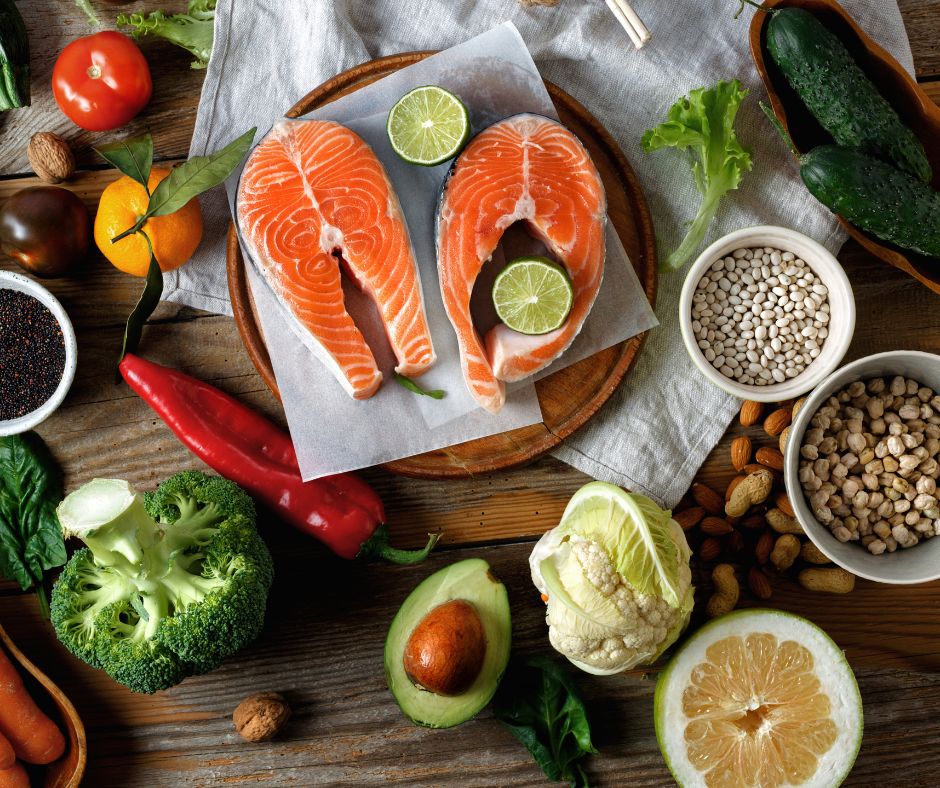
And if you feel like your body has suddenly become a stranger to you, you’re not alone.
Perimenopause—the transitional period leading up to menopause—can feel like navigating a ship through a storm without a compass.
Your hormones are fluctuating wildly, your metabolism seems to have slowed to a crawl, and the diet that worked perfectly for years suddenly seems to be working against you.
Weight creeps on despite eating the same foods. Energy crashes in the afternoon. Sleep becomes elusive. And perhaps most frustratingly, the advice you find online often contradicts itself or feels impossible to implement.
This comprehensive guide has a Complete Perimenopause Diet Guide for Beginners.
Why Diet Matters More Than Ever During Perimenopause
During perimenopause, your ovaries gradually produce less estrogen and progesterone, the two primary female hormones.
This decline doesn’t happen smoothly—instead, these hormones fluctuate dramatically, sometimes surging high, sometimes dropping low, creating a hormonal roller coaster that affects virtually every system in your body.
These hormonal changes impact:
- Metabolism: Lower estrogen levels slow metabolic rate, making weight gain easier and weight loss harder
- Blood sugar regulation: Fluctuating hormones affect insulin sensitivity, increasing diabetes risk
- Bone density: Declining estrogen accelerates bone loss, raising osteoporosis risk
- Cardiovascular health: Estrogen’s protective effects on the heart diminish
- Brain function: Hormonal fluctuations affect neurotransmitters, impacting mood, memory, and focus
- Body composition: Muscle mass decreases while fat accumulation (especially abdominal) increases
- Sleep quality: Hormonal changes disrupt sleep patterns and body temperature regulation
The right diet can’t stop perimenopause, but it can significantly ease the transition.
Proper nutrition helps stabilize blood sugar, support hormone production, maintain muscle mass, protect bone density, reduce inflammation, and minimize uncomfortable symptoms like hot flashes and mood swings.
Understanding Perimenopause: What’s Happening in Your Body
To understand why specific dietary choices matter so much during perimenopause, you first need to understand what’s actually happening in your body during this transition.
The Perimenopause Timeline
Perimenopause is not a brief phase—it’s a gradual transition that typically lasts 4-8 years, though it can be as short as a few months or as long as 10+ years for some women. It usually begins in your 40s but can start as early as your mid-30s or as late as your early 50s.
Early Perimenopause (can last 4-5 years or more):
- Menstrual cycles become irregular—shorter or longer than usual
- Flow may be heavier or lighter than before
- You may start experiencing occasional symptoms like hot flashes or sleep disturbances
- Hormone levels begin fluctuating but aren’t consistently low yet
- Fertility declines but pregnancy is still possible
Late Perimenopause (typically lasts 1-3 years):
- Cycles become increasingly irregular with gaps of 60+ days
- Symptoms often intensify
- Estrogen levels drop more dramatically
- You’re approaching menopause (defined as 12 consecutive months without a period)
Post-Menopause: Once you’ve gone 12 months without a period, you’re officially in menopause. However, symptoms can continue for several years after this point as your body fully adjusts to lower hormone levels.
The Hormonal Changes
Three primary hormones fluctuate during perimenopause:
Estrogen: Contrary to popular belief, estrogen doesn’t simply decline steadily. Instead, it fluctuates wildly—sometimes surging higher than before, sometimes dropping dramatically. These unpredictable swings cause many perimenopause symptoms and affect metabolism, bone density, brain function, and cardiovascular health.
Progesterone: This hormone typically declines earlier and more steadily than estrogen. Progesterone has calming effects on the brain, supports sleep, and balances estrogen. Its decline can cause anxiety, sleep problems, heavier periods, and mood swings even before estrogen drops significantly.
Testosterone: Yes, women produce testosterone too! It declines gradually during perimenopause, affecting libido, energy levels, muscle mass, and motivation.
These hormonal fluctuations create a cascade of effects throughout your body that influence everything from how you metabolize food to how well you sleep.
How Perimenopause Affects Your Metabolism
One of the most frustrating aspects of perimenopause is metabolic changes that make weight management more challenging:
Metabolic Rate Slows: Studies show that resting metabolic rate decreases by approximately 200-300 calories per day during the menopausal transition, even when controlling for aging effects. This means you burn fewer calories at rest than before.
Insulin Resistance Increases: Fluctuating estrogen levels affect how your cells respond to insulin, making it easier to develop insulin resistance. This increases diabetes risk and makes weight loss more difficult.
Fat Distribution Changes: Even if you don’t gain weight, fat redistributes from hips and thighs to the abdomen. This visceral (belly) fat is metabolically active and increases health risks.
Muscle Mass Decreases: Without intervention, women lose approximately 3-8% of muscle mass per decade after age 30, with accelerated loss during perimenopause. Since muscle burns more calories than fat, this further slows metabolism.
Appetite Regulation Changes: Fluctuating hormones affect hunger and fullness hormones (ghrelin and leptin), potentially increasing appetite and cravings.
Physical Symptoms and Their Dietary Connections
Many perimenopause symptoms have direct connections to diet:
Hot Flashes and Night Sweats: Triggered by hypothalamus changes. Certain foods (spicy foods, alcohol, caffeine, sugar) can trigger or worsen hot flashes, while others (phytoestrogens, cooling foods) may help.
Sleep Disturbances: Caused by night sweats, anxiety, and hormonal effects on sleep regulation. Diet affects sleep through blood sugar stability, caffeine intake, and foods that support melatonin production.
Weight Gain: Results from slower metabolism, insulin resistance, stress eating, and hormonal effects on fat storage. Proper nutrition helps manage all these factors.
Mood Changes: Estrogen affects serotonin and other neurotransmitters. Diet influences mood through blood sugar stability, omega-3 fats, B vitamins, and gut health.
Brain Fog: Hormonal effects on neurotransmitters and potentially reduced blood flow to the brain. Nutrition supports brain function through antioxidants, healthy fats, and stable energy.
Bone Loss: Declining estrogen accelerates bone breakdown. Calcium, vitamin D, protein, and other nutrients are crucial for maintaining bone density.
Vaginal Dryness: Lower estrogen affects mucous membranes. Adequate hydration and healthy fats support tissue health.
Heart Palpitations: Hormonal fluctuations can affect heart rhythm. Magnesium, potassium, and reduced stimulants help.
Understanding these connections empowers you to make dietary choices that specifically address your most troublesome symptoms.
Here’s a simple, example 21‑day table you can adapt. It follows a Mediterranean‑style pattern shown to support hormones, heart, bone health, and weight during perimenopause.healthandher+2
21‑Day Perimenopause Diet Plan For Women
Before You Begin: Preparation Steps
1 Week Before:
- Clean out pantry of trigger foods
- Stock up on staples from shopping list
- Plan your start date
- Take “before” measurements and photos
- Consider tracking baseline symptoms
2-3 Days Before:
- Review entire 21-day meal plan
- Do major grocery shopping for Week 1
- Prep large-batch items (cook grains, wash greens)
- Prepare mentally for change
| Day | Breakfast (protein + fiber) | Lunch (balanced plate) | Dinner (Mediterranean‑style) | Snack (optional) |
|---|---|---|---|---|
| 1 | Greek yogurt, berries, ground flaxseed, walnuts | Lentil and veggie soup, side salad with olive oil | Baked salmon, quinoa, roasted broccoli | Apple slices with almond butter |
| 2 | Overnight oats with chia seeds and mixed berries | Chickpea salad with cucumber, tomato, feta, olive oil | Grilled chicken, brown rice, steamed greens | Handful of nuts and seeds |
| 3 | Scrambled eggs, spinach, whole‑grain toast | Turkey or tofu wrap in whole‑grain tortilla, side salad | Baked white fish, sweet potato, green beans | Plain yogurt with cinnamon |
| 4 | Smoothie with spinach, berries, protein (yogurt or powder), flax | Quinoa bowl with black beans, avocado, salsa | Stir‑fried tofu, mixed veggies, brown rice | Carrot sticks with hummus |
| 5 | Greek yogurt parfait with oats and nuts | Mediterranean grain bowl with grilled veg, hummus, feta | Lean beef or lentil stew with vegetables | Edamame or roasted chickpeas |
| 6 | Poached eggs, quinoa, tomato, avocado | Sardine or tuna and white bean salad on greens | Baked lemon‑herb chicken, mixed vegetables, brown rice | Fruit with a small handful of nuts |
| 7 | Whole‑grain toast with nut butter and banana | Tomato‑lentil soup, whole‑grain bread | Veggie and bean chili, side salad | Piece of dark chocolate and a pear |
| 8 | Chia pudding with milk of choice and berries | Mixed greens with grilled salmon, olives, olive oil | Turkey meatballs, whole‑grain pasta, tomato sauce, salad | Grapes and a few walnuts |
| 9 | Greek yogurt, sliced apple, pumpkin seeds | Brown rice, tofu, broccoli, sesame‑ginger dressing | Baked cod, roasted carrots, barley | Cottage cheese with berries |
| 10 | Oatmeal with chia, flax, blueberries | Chickpea and veggie curry with rice | Grilled shrimp, quinoa tabbouleh, cucumber salad | Orange and a handful of almonds |
| 11 | Smoothie with kale, banana, berries, protein, flax | Lentil salad with roasted veggies and feta | Roast chicken, potatoes, Brussels sprouts | Hummus with sliced bell peppers |
| 12 | Greek yogurt, low‑sugar granola, mixed fruit | Whole‑grain pita with falafel, salad, tahini | Baked tofu, stir‑fried greens, soba or brown rice | Apple or pear with nut butter |
| 13 | Scrambled eggs, mushrooms, whole‑grain toast | Tuna salad over mixed greens and chickpeas | Lentil and vegetable bake with side salad | Handful of mixed nuts |
| 14 | Overnight oats with milk of choice, berries, flax | Quinoa‑black bean bowl with avocado and salsa | Grilled salmon, wild rice, asparagus | Yogurt with a spoon of ground flaxseed |
| 15 | Greek yogurt, kiwi, sunflower seeds | Tomato‑barley soup, side salad | Turkey or tempeh stir‑fry, brown rice | Baby carrots with hummus |
| 16 | Smoothie with spinach, mango, protein, chia | Whole‑grain wrap with grilled veg and hummus | Baked mackerel, potatoes, green salad | Small handful of pistachios |
| 17 | Oatmeal with chopped nuts and sliced pear | Chickpea‑spinach stew, brown rice | Roast chicken thighs, root vegetables, side greens | Cottage cheese with pineapple |
| 18 | Chia pudding with milk of choice and berries | Mediterranean pasta salad (whole‑grain) with veg, olives, feta | Baked tofu or tempeh, quinoa, roasted broccoli | Fruit and a few Brazil nuts |
| 19 | Greek yogurt, strawberries, walnuts, flax | Lentil and veggie bowl, tahini drizzle | Grilled fish tacos on corn tortillas, cabbage slaw | Roasted chickpeas |
| 20 | Eggs, sautéed greens, whole‑grain toast | Brown rice, edamame, cucumber, avocado bowl | Turkey or veggie burger (whole‑grain bun or bun‑less), salad | Apple with almond butter |
| 21 | Overnight oats with berries, chia, cinnamon | Large salad with mixed greens, beans, seeds, olive oil | Baked salmon, lentils, mixed roasted vegetables | A square of dark chocolate and berries |
Key Nutrients for Perimenopause
Certain nutrients become particularly important during perimenopause, either because your body needs more of them, because declining hormones affect how you absorb or use them, or because they specifically support hormone balance and symptom management.
Essential Nutrients and Daily Requirements
Calcium (1200mg daily)
- Why it matters: Protects bones as estrogen decline accelerates bone loss
- Best sources: Dairy products, fortified plant milk, leafy greens, sardines with bones, tofu (calcium-set)
- Absorption tip: Split doses throughout the day; don’t exceed 500mg at once
Vitamin D (800-1000 IU daily, sometimes more)
- Why it matters: Required for calcium absorption, bone health, mood regulation, immune function
- Best sources: Fatty fish, egg yolks, fortified dairy/plant milk, sunlight exposure
- Important note: Many women are deficient; consider testing and supplementing under medical supervision
Magnesium (320mg daily)
- Why it matters: Supports sleep, reduces hot flashes, required for vitamin D activation, helps prevent muscle cramps
- Best sources: Nuts, seeds, legumes, whole grains, dark leafy greens, dark chocolate
- Absorption tip: Magnesium glycinate or citrate are better absorbed than oxide
Protein (1.0-1.2g per kg body weight, or 75-90g for average woman)
- Why it matters: Preserves muscle mass, supports metabolism, promotes satiety, essential for bone matrix
- Best sources: Lean meats, fish, eggs, Greek yogurt, legumes, tofu, tempeh, nuts
- Distribution tip: Spread protein evenly throughout the day for optimal muscle support
Omega-3 Fatty Acids (1-2g EPA+DHA daily)
- Why it matters: Reduces inflammation, supports brain health, protects heart, may reduce hot flashes
- Best sources: Fatty fish (salmon, mackerel, sardines), walnuts, chia seeds, flax seeds, algae supplements
- Conversion note: Plant omega-3s (ALA) convert poorly to EPA/DHA; include fish or algae supplements
B Vitamins (especially B6, B12, Folate)
- Why they matter: Support energy production, mood regulation, hormone metabolism, cardiovascular health
- Best sources: Whole grains, leafy greens, eggs, meat, fish, legumes, nutritional yeast
- Special consideration: B12 absorption decreases with age; fortified foods or supplements may be needed
Iron (8mg daily for post-menopausal women, 18mg if still menstruating heavily)
- Why it matters: Prevents anemia, supports energy levels, crucial if experiencing heavy periods
- Best sources: Red meat, poultry, fish, legumes, fortified cereals, dark leafy greens
- Absorption tip: Pair plant iron with vitamin C; avoid tea/coffee with iron-rich meals
Vitamin K2 (90-120mcg daily)
- Why it matters: Directs calcium into bones (not arteries), works synergistically with vitamin D
- Best sources: Natto (fermented soybeans), hard cheeses, egg yolks, chicken, butter from grass-fed cows
- Often overlooked: Many women are deficient despite adequate K1 intake
Fiber (25-30g daily)
- Why it matters: Binds excess estrogen, supports gut health, stabilizes blood sugar, promotes satiety
- Best sources: Vegetables, fruits, whole grains, legumes, nuts, seeds
- Gradual increase: Add fiber slowly to avoid digestive discomfort
Phytoestrogens
- Why they matter: Weak plant estrogens may help balance declining hormones, reduce hot flashes
- Best sources: Soy products (tofu, tempeh, edamame), flax seeds, sesame seeds, legumes
- Evidence: Modest benefits for hot flash reduction in some women
Antioxidants (various – eat a colorful diet)
- Why they matter: Combat oxidative stress that increases during perimenopause
- Best sources: Berries, dark leafy greens, colorful vegetables, green tea, dark chocolate
- Variety is key: Different colors provide different antioxidants