The Complete Cycle Syncing Diet Plan for Women: 4 Phases + Meal Ideas
If you’ve ever felt like you’re fighting against your own body—craving chocolate one week, full of energy the next, then inexplicably exhausted the following week—you’re not alone.
And more importantly, you’re not imagining things. Your menstrual cycle creates real, predictable hormonal changes that affect everything from your energy levels and mood to your metabolism and food cravings.
Cycle syncing is the practice of aligning your diet, exercise, and lifestyle with the natural phases of your menstrual cycle.
Instead of eating the same foods every day and wondering why you feel amazing some weeks and terrible others, cycle syncing teaches you to work with your hormones rather than against them.
What Is Cycle Syncing?
Cycle syncing, a term popularized by functional nutritionist Alisa Vitti, is based on the understanding that your hormones fluctuate throughout your menstrual cycle, creating four distinct phases with different nutritional needs. By eating specific foods during each phase, you can support your hormone production, stabilize energy levels, reduce PMS symptoms, and even improve fertility.
Your menstrual cycle isn’t just about your period—it’s a month-long hormonal journey that affects your entire body:
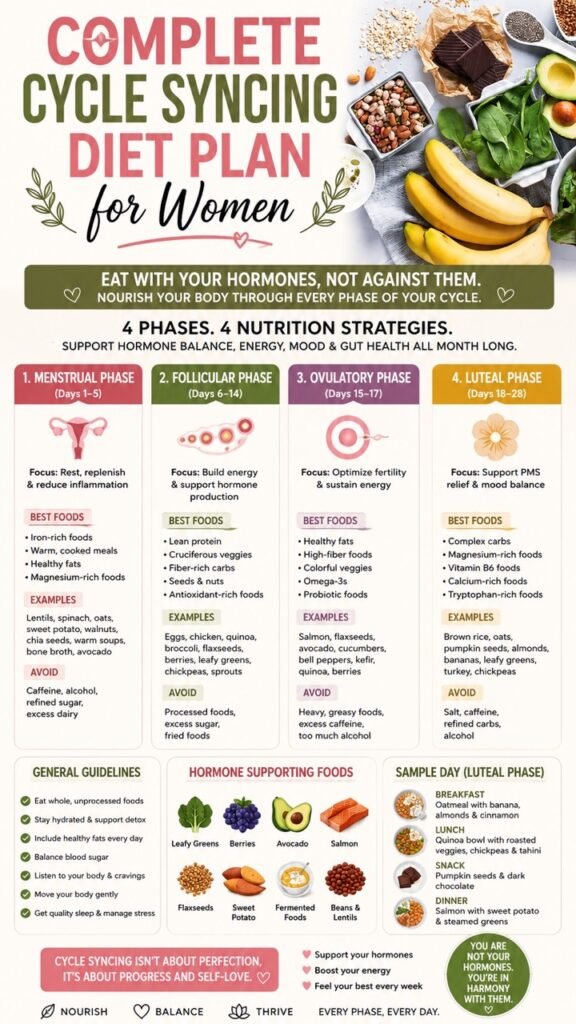
The Four Phases:
- Menstrual Phase (Days 1-5): When you have your period
- Follicular Phase (Days 6-14): The week or so after your period ends
- Ovulatory Phase (Days 15-17): The 3-4 days around ovulation
- Luteal Phase (Days 18-28): The two weeks before your next period
Each phase has distinct hormonal patterns that influence how your body processes food, how much energy you have, and what nutrients you need most.
Why Cycle Syncing Helps
Hormonal Balance: Different foods support the production and metabolism of estrogen, progesterone, and testosterone at different times in your cycle.
Stable Energy: Eating the right foods during each phase prevents the energy crashes and fatigue that many women accept as “normal.”
Reduced Cravings: When you give your body the nutrients it actually needs during each phase, intense cravings often disappear naturally.
Better Mood: Hormonal fluctuations affect neurotransmitters like serotonin and dopamine. Proper nutrition supports stable mood throughout your cycle.
Improved PMS: Many PMS symptoms—bloating, cramps, mood swings, breast tenderness—are related to nutritional deficiencies that can be addressed through cycle syncing.
Weight Management: Your metabolism and insulin sensitivity change throughout your cycle. Eating appropriately for each phase supports healthy weight management.
Optimized Fertility: If you’re trying to conceive, cycle syncing ensures your body has the nutrients it needs for ovulation and implantation.
Who Can Benefit from Cycle Syncing?
Cycle syncing is beneficial for any woman who experiences a menstrual cycle, but it’s particularly helpful if you:
- Experience severe PMS symptoms
- Struggle with energy crashes throughout the month
- Have intense food cravings before your period
- Want to improve fertility naturally
- Experience mood swings related to your cycle
- Feel bloated or inflamed during certain weeks
- Want to optimize your workouts based on energy levels
- Are coming off hormonal birth control and regulating your cycle
Note: If you don’t have a regular cycle due to birth control, perimenopause, or health conditions, you can still benefit from cycle syncing by following a 28-day pattern or working with a healthcare provider to adapt these principles.
Phase 1: Menstrual Phase (Days 1-5)
What’s Happening in Your Body
The menstrual phase is Day 1 of your cycle—the first day of your period. During this phase, your body is shedding the uterine lining, which causes bleeding that typically lasts 3-7 days.
Hormonal Changes:
- Estrogen and progesterone are at their lowest levels
- This hormonal drop triggers the shedding of your uterine lining
- Energy levels are typically low
- Your body is in a natural “rest and restore” phase
Physical Changes:
- Menstrual bleeding and cramping
- Lower body temperature
- Potential fatigue and low energy
- Increased need for iron due to blood loss
- Your body is more sensitive to pain
Metabolic Changes:
- Slightly lower metabolic rate
- Your body needs more rest and gentle movement
- You may crave comfort foods and warmth
Nutritional Focus for Menstrual Phase
During your period, your body needs nutrients that support blood loss recovery, reduce inflammation, and provide comfort without causing additional bloating or discomfort.
Key Nutrients:
Iron: You lose iron through menstrual blood, making iron-rich foods essential during this phase to prevent anemia and fatigue.
Vitamin C: Enhances iron absorption from plant-based sources.
Omega-3 Fatty Acids: Reduce inflammation and menstrual cramps by inhibiting prostaglandins that cause cramping.
Magnesium: Helps relax muscles, reducing cramping and tension.
B Vitamins: Support energy production when you’re feeling fatigued.
Zinc: Supports immune function and helps with tissue repair.
Foods to Eat During Menstrual Phase
Iron-Rich Foods:
- Grass-fed beef, bison, or lamb
- Organ meats (if you eat them)
- Dark leafy greens (spinach, kale, Swiss chard)
- Lentils and beans
- Pumpkin seeds and sesame seeds
- Blackstrap molasses
Warming, Comforting Foods:
- Bone broth or vegetable broths
- Slow-cooked stews and soups
- Roasted root vegetables (sweet potatoes, beets, carrots)
- Warm grains (brown rice, quinoa, oats)
- Herbal teas (ginger, chamomile, raspberry leaf)
Anti-Inflammatory Foods:
- Fatty fish (salmon, mackerel, sardines)
- Walnuts and flax seeds
- Turmeric and ginger
- Berries (especially blueberries)
- Dark chocolate (70%+ cacao)
Hydrating Foods:
- Watermelon
- Cucumber
- Celery
- Coconut water
- Herbal teas
Sample Meals for Menstrual Phase
Breakfast Options:
- Warm oatmeal with walnuts, cinnamon, and blackstrap molasses
- Scrambled eggs with sautéed spinach and whole grain toast
- Smoothie with berries, spinach, flax seeds, and almond butter
- Chia seed pudding with cocoa powder and sliced banana
Lunch Options:
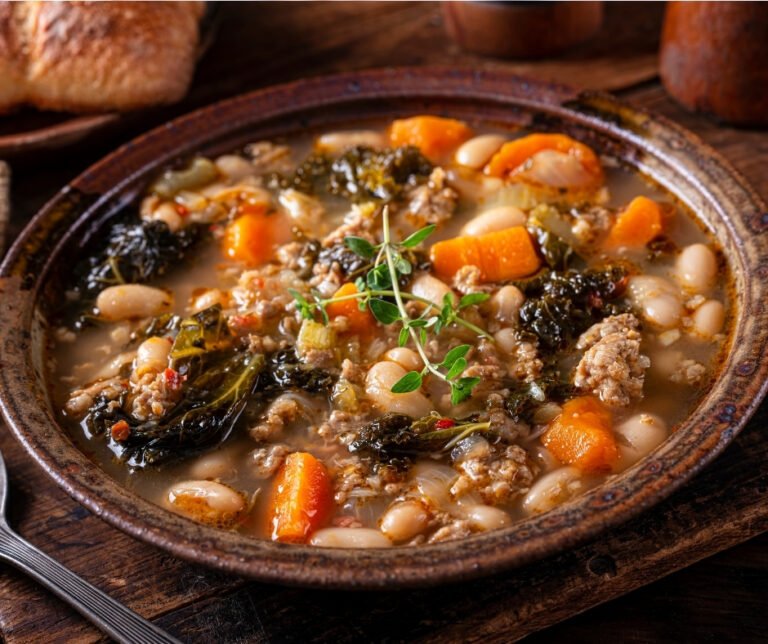
- Lentil soup with kale and root vegetables
- Grass-fed beef and vegetable stew
- Quinoa bowl with roasted sweet potato, chickpeas, and tahini dressing
- Salmon salad with mixed greens, beets, and pumpkin seeds
Dinner Options:
- Slow-cooked beef with roasted root vegetables
- Baked salmon with steamed broccoli and brown rice
- Red lentil curry with spinach served over quinoa
- Turkey chili with beans and dark leafy greens
Snacks:
- Apple slices with almond butter
- Dark chocolate (70%+ cacao)
- Trail mix with pumpkin seeds and dried fruit
- Warm golden milk (turmeric latte)
Complete 1-Day Meal Plan: Menstrual Phase
Breakfast: Warm quinoa porridge
- ½ cup cooked quinoa
- ½ cup almond milk, warmed
- 1 tablespoon blackstrap molasses
- 1 tablespoon chopped walnuts
- Pinch of cinnamon
- Sliced banana
Mid-Morning Snack: Golden turmeric latte
- Warm almond milk with turmeric, ginger, cinnamon, and a touch of honey
Lunch: Iron-rich lentil soup
- Red lentils cooked with carrots, celery, kale
- Vegetable broth base
- Seasoned with cumin and turmeric
- Served with whole grain crackers
- Side of sliced oranges (vitamin C for iron absorption)
Afternoon Snack:
- 2 squares dark chocolate (70%+ cacao)
- Small handful of pumpkin seeds
Dinner: Nourishing salmon bowl
- 4 oz baked wild salmon
- Roasted sweet potato cubes
- Steamed spinach with garlic
- ½ cup brown rice
- Drizzle of olive oil and lemon
Evening: Herbal tea
- Raspberry leaf tea or ginger tea with honey
Menstrual Phase Grocery List
Proteins:
- ☐ Wild salmon
- ☐ Grass-fed ground beef or steak
- ☐ Eggs
- ☐ Red lentils
- ☐ Chickpeas
Vegetables:
- ☐ Kale
- ☐ Spinach
- ☐ Sweet potatoes
- ☐ Beets
- ☐ Carrots
- ☐ Broccoli
- ☐ Celery
Fruits:
- ☐ Bananas
- ☐ Blueberries
- ☐ Oranges
- ☐ Watermelon
- ☐ Apples
Grains & Seeds:
- ☐ Quinoa
- ☐ Brown rice
- ☐ Oats
- ☐ Pumpkin seeds
- ☐ Walnuts
- ☐ Flax seeds
Pantry Items:
- ☐ Blackstrap molasses
- ☐ Dark chocolate (70%+ cacao)
- ☐ Bone broth or vegetable broth
- ☐ Coconut oil
- ☐ Turmeric
- ☐ Ginger (fresh and ground)
- ☐ Herbal teas (raspberry leaf, ginger, chamomile)
Healthy Fats:
- ☐ Almond butter
- ☐ Tahini
- ☐ Olive oil
- ☐ Avocado
Foods to Avoid During Menstrual Phase
❌ Caffeine (or limit significantly): Can worsen cramps and anxiety ❌ Alcohol: Dehydrating and can increase cramping ❌ Processed sugar: Worsens inflammation and mood swings ❌ Refined carbohydrates: Can cause blood sugar crashes ❌ High-sodium foods: Increases bloating and water retention ❌ Dairy (for some women): Can be inflammatory and worsen cramping ❌ Raw, cold foods: Your body prefers warming foods during menstruation ❌ Fried foods: Can increase inflammation
Phase 2: Follicular Phase (Days 6-14)
What’s Happening in Your Body
The follicular phase begins right after your period ends and continues until ovulation. During this phase, your body is preparing to release an egg.
Hormonal Changes:
- Estrogen begins to rise steadily
- Follicle-stimulating hormone (FSH) stimulates follicles in ovaries to develop
- Testosterone begins to increase slightly
- Energy levels start to climb
Physical Changes:
- Uterine lining begins to thicken in preparation for potential pregnancy
- One dominant follicle develops and prepares to release an egg
- Metabolism is moderate
- Skin often looks clearer and more radiant
- You feel lighter and more energetic
Mental/Emotional Changes:
- Mood improves significantly
- Mental clarity and focus increase
- Social energy returns
- Motivation and productivity peak
- You feel more creative and open to new experiences
Nutritional Focus for Follicular Phase
Your rising estrogen levels during the follicular phase require specific nutrients to support healthy hormone production and metabolism. This is a time to eat lighter, fresh foods that provide energy for your increasing activity level.
Key Nutrients:
B Vitamins: Support estrogen metabolism and energy production.
Probiotics: Support healthy estrogen metabolism through gut health.
Zinc: Important for healthy ovulation.
Antioxidants: Protect developing eggs from oxidative damage.
Healthy Fats: Support hormone production.
Fiber: Helps metabolize and eliminate excess estrogen.
Foods to Eat During Follicular Phase
Fresh, Light Proteins:
- Chicken breast
- Turkey
- White fish (cod, halibut)
- Eggs
- Legumes (lentils, chickpeas)
- Fermented soy (tempeh, miso)
Sprouted & Fermented Foods:
- Sauerkraut
- Kimchi
- Kefir or yogurt
- Sprouted bread
- Miso
- Pickled vegetables
Fresh Vegetables:
- Broccoli
- Zucchini
- Lettuce and mixed greens
- Cucumber
- Celery
- Bell peppers
- Carrots
- String beans
Energizing Grains:
- Oats
- Barley
- Farro
- Quinoa
- Sprouted grain bread
Citrus & Fresh Fruits:
- Grapefruit
- Oranges
- Lemons
- Limes
- Berries
- Pomegranate
Sample Meals for Follicular Phase
Breakfast Options:
- Green smoothie with spinach, banana, berries, chia seeds
- Sprouted grain toast with avocado and poached eggs
- Greek yogurt parfait with granola, berries, and pumpkin seeds
- Veggie omelet with mushrooms, peppers, and herbs
Lunch Options:
- Large colorful salad with grilled chicken, mixed vegetables, and lemon vinaigrette
- Quinoa bowl with roasted vegetables and chickpeas
- Turkey and avocado wrap with sprouts and vegetables
- Lentil salad with fresh herbs, cucumber, and tomatoes
Dinner Options:
- Grilled fish with sautéed zucchini and wild rice
- Stir-fry with chicken, broccoli, peppers, and cashews over brown rice
- Baked chicken breast with roasted Brussels sprouts and quinoa
- Vegetable curry with chickpeas and cauliflower rice
Snacks:
- Fresh fruit with a handful of almonds
- Veggie sticks with hummus
- Kefir or yogurt with berries
- Sprouted grain crackers with nut butter
Complete 1-Day Meal Plan: Follicular Phase
Breakfast: Energizing green smoothie bowl
- Blend: spinach, banana, ½ cup berries, chia seeds, almond milk
- Top with: granola, fresh berries, coconut flakes, pumpkin seeds
Mid-Morning Snack:
- Apple slices with 2 tablespoons almond butter
Lunch: Fresh Mediterranean bowl
- Large bed of mixed greens
- Grilled chicken breast (4 oz)
- Cucumber, tomatoes, bell peppers
- ¼ cup chickpeas
- 2 tablespoons hummus
- Lemon-olive oil dressing
- Sprouted grain crackers on side
Afternoon Snack:
- Greek yogurt with a handful of berries and drizzle of honey
Dinner: Light and fresh stir-fry
- 4 oz grilled white fish or chicken
- Stir-fried broccoli, zucchini, bell peppers, snap peas
- Served over ½ cup quinoa or brown rice
- Light tamari-ginger sauce
Evening:
- Fresh mint tea
Follicular Phase Grocery List
Proteins:
- ☐ Chicken breasts
- ☐ White fish (cod, halibut, tilapia)
- ☐ Turkey
- ☐ Eggs
- ☐ Chickpeas
- ☐ Lentils
- ☐ Greek yogurt
Vegetables:
- ☐ Spinach
- ☐ Mixed salad greens
- ☐ Broccoli
- ☐ Zucchini
- ☐ Bell peppers (various colors)
- ☐ Cucumbers
- ☐ Carrots
- ☐ String beans
- ☐ Sprouts
Fruits:
- ☐ Berries (strawberries, blueberries, raspberries)
- ☐ Bananas
- ☐ Oranges
- ☐ Grapefruit
- ☐ Lemons/limes
- ☐ Apples
- ☐ Pomegranate
Grains:
- ☐ Quinoa
- ☐ Brown rice
- ☐ Oats
- ☐ Sprouted grain bread
Fermented Foods:
- ☐ Sauerkraut
- ☐ Kimchi
- ☐ Kefir
- ☐ Miso paste
Healthy Fats & Seeds:
- ☐ Almonds
- ☐ Pumpkin seeds
- ☐ Chia seeds
- ☐ Avocados
- ☐ Olive oil
- ☐ Hummus
Herbs & Flavorings:
- ☐ Fresh herbs (parsley, cilantro, mint)
- ☐ Ginger
- ☐ Garlic
Foods to Avoid During Follicular Phase
❌ Heavy, dense foods: Your body prefers lighter meals during this phase ❌ Excessive red meat: Can be too heavy; focus on lighter proteins ❌ Fried foods: Can slow down your naturally increasing energy ❌ Processed foods: Don’t support the clean energy you’re building ❌ Excessive caffeine: You have natural energy; don’t over-stimulate
Phase 3: Ovulatory Phase (Days 15-17)
What’s Happening in Your Body
The ovulatory phase is the shortest phase, lasting only 3-4 days around the middle of your cycle. This is when your body releases an egg from the ovary.
Hormonal Changes:
- Estrogen peaks just before ovulation
- Luteinizing hormone (LH) surges, triggering egg release
- Testosterone is at its highest point
- These hormonal peaks give you maximum energy and confidence
Physical Changes:
- One ovary releases a mature egg
- You may notice fertile cervical mucus (clear, stretchy)
- Slight increase in body temperature after ovulation
- Peak fertility window
- Skin looks its best
- Maximum physical strength and endurance
Mental/Emotional Changes:
- Energy levels at their highest
- Increased confidence and charisma
- Enhanced verbal communication skills
- Heightened libido
- Social and outgoing
- Clear thinking and focus
Nutritional Focus for Ovulatory Phase
During ovulation, your body needs extra support for the surge in hormones and the energy demands of this peak phase. This is also the time to support liver function for proper estrogen metabolism.
Key Nutrients:
Antioxidants: Protect the egg and support reproductive health.
Glutathione: Supports liver detoxification and estrogen metabolism.
Fiber: Helps eliminate excess estrogen.
Vitamin E: Supports egg quality and cervical mucus production.
B Vitamins: Support energy metabolism during this high-energy phase.
Folate: Important for healthy egg development.
Foods to Eat During Ovulatory Phase
Fiber-Rich Vegetables:
- Brussels sprouts
- Asparagus
- Spinach
- Chard
- Bell peppers
- Tomatoes
- Bok choy
Antioxidant-Rich Fruits:
- Berries (especially strawberries and raspberries)
- Cherries
- Figs
- Coconut
- Apricots
Light Proteins:
- Wild-caught salmon
- Tuna
- Shrimp
- Scallops
- Chicken breast
- Eggs
Whole Grains:
- Brown rice
- Quinoa
- Amaranth
- Buckwheat
Cruciferous Vegetables (for estrogen metabolism):
- Broccoli
- Cauliflower
- Cabbage
- Kale
Raw Foods & Salads:
- Fresh vegetable salads
- Smoothies with raw fruits and vegetables
- Raw nuts and seeds
- Fresh herbs
Sample Meals for Ovulatory Phase
Breakfast Options:
- Berry smoothie with spinach, flax seeds, and protein powder
- Veggie scramble with bell peppers, tomatoes, and spinach
- Chia pudding topped with fresh berries and coconut
- Quinoa breakfast bowl with fruit and nuts
Lunch Options:
- Large raw salad with grilled salmon, loads of colorful vegetables
- Tuna poke bowl with brown rice and fresh vegetables
- Lettuce wraps with chicken, vegetables, and cashews
- Gazpacho (cold tomato soup) with shrimp
Dinner Options:
- Grilled chicken with roasted Brussels sprouts and quinoa
- Baked salmon with asparagus and wild rice
- Shrimp stir-fry with loads of colorful vegetables
- Chicken and vegetable kebabs with cauliflower rice
Snacks:
- Fresh fruit with raw almonds
- Raw vegetable sticks with guacamole
- Fresh berries with coconut yogurt
- Smoothie with greens and berries
Complete 1-Day Meal Plan: Ovulatory Phase
Breakfast: Antioxidant power smoothie
- 1 cup mixed berries (strawberries, blueberries, raspberries)
- Handful of spinach
- 1 tablespoon ground flax seeds
- 1 tablespoon chia seeds
- ½ banana
- 1 cup coconut water or almond milk
- Optional: scoop of plant-based protein powder
Mid-Morning Snack:
- Fresh cherries or berries
- Small handful of raw almonds
Lunch: Vibrant rainbow salad
- Large bed of mixed greens and spinach
- Grilled wild salmon (4 oz)
- Cherry tomatoes, cucumber, shredded carrots
- Bell peppers (red, yellow, orange)
- Avocado slices
- Pumpkin seeds
- Lemon-olive oil dressing with fresh herbs
Afternoon Snack:
- Raw vegetable sticks (bell peppers, cucumbers, carrots)
- ¼ cup guacamole or hummus
Dinner: Light and energizing
- Grilled shrimp skewers with lemon and herbs
- Large portion of roasted Brussels sprouts and asparagus
- ½ cup quinoa
- Side of fresh tomato and cucumber salad
Evening:
- Herbal tea (mint or chamomile)
- Few fresh strawberries
Ovulatory Phase Grocery List
Proteins:
- ☐ Wild salmon
- ☐ Tuna
- ☐ Shrimp
- ☐ Scallops
- ☐ Chicken breast
- ☐ Eggs
Vegetables:
- ☐ Brussels sprouts
- ☐ Asparagus
- ☐ Spinach
- ☐ Mixed salad greens
- ☐ Bell peppers (multiple colors)
- ☐ Tomatoes (cherry and regular)
- ☐ Cucumbers
- ☐ Carrots
- ☐ Cauliflower
- ☐ Broccoli
- ☐ Bok choy
Fruits:
- ☐ Strawberries
- ☐ Blueberries
- ☐ Raspberries
- ☐ Cherries
- ☐ Figs (fresh or dried)
- ☐ Coconut
- ☐ Lemons/limes
- ☐ Bananas
Grains:
- ☐ Quinoa
- ☐ Brown rice
- ☐ Amaranth
Healthy Fats & Seeds:
- ☐ Raw almonds
- ☐ Raw cashews
- ☐ Pumpkin seeds
- ☐ Sunflower seeds
- ☐ Flax seeds
- ☐ Chia seeds
- ☐ Avocados
- ☐ Olive oil
- ☐ Coconut oil
Fresh Herbs:
- ☐ Cilantro
- ☐ Parsley
- ☐ Mint
- ☐ Basil
Foods to Avoid During Ovulatory Phase
❌ Heavy, starchy foods: Can slow down your natural high energy ❌ Processed sugars: Can disrupt hormone balance during this critical phase ❌ Alcohol: Can interfere with ovulation and liver function ❌ Caffeine (excessive): Can increase stress hormones during hormone surge ❌ Conventionally raised meats: May contain hormones that interfere with your natural cycle ❌ Fried foods: Can create inflammation when your body needs to be in optimal condition
Phase 4: Luteal Phase (Days 18-28)
What’s Happening in Your Body
The luteal phase is the longest phase, lasting about 10-14 days from ovulation until your next period begins. This is when your body prepares for either pregnancy or menstruation.
Hormonal Changes:
- Progesterone rises and becomes the dominant hormone
- Estrogen rises again but remains lower than progesterone
- If pregnancy doesn’t occur, both hormones drop sharply at the end of this phase
- Testosterone decreases
- These hormonal shifts are responsible for PMS symptoms
Physical Changes:
- Body temperature slightly elevated
- Metabolism increases (you burn about 100-300 more calories per day)
- Water retention and bloating may occur
- Breast tenderness
- Increased appetite and cravings (especially for carbs and sweets)
- Energy levels gradually decrease
- Skin may become oilier, potential breakouts
Mental/Emotional Changes:
- Energy starts to decline
- Mood may become more irritable or anxious
- Desire to nest and withdraw socially
- Potential mood swings or emotional sensitivity
- Brain fog or difficulty concentrating
- Need for more sleep
Nutritional Focus for Luteal Phase
The luteal phase requires nutrient-dense, satisfying foods that support progesterone production, stabilize blood sugar, reduce water retention, and manage the increased appetite and cravings that come with this phase.
Key Nutrients:
B Vitamins (especially B6): Support progesterone production and reduce PMS symptoms including mood swings.
Magnesium: Reduces water retention, bloating, cramps, and supports calm mood. Needs increase significantly during this phase.
Calcium: Reduces PMS symptoms and mood changes.
Complex Carbohydrates: Support serotonin production to stabilize mood, and satisfy increased appetite.
Omega-3 Fatty Acids: Reduce inflammation and mood swings.
Vitamin E: May reduce breast tenderness and PMS symptoms.
Chromium: Helps stabilize blood sugar and reduce sugar cravings.
Foods to Eat During Luteal Phase
Complex Carbohydrates:
- Sweet potatoes
- Winter squash (butternut, acorn)
- Brown rice
- Quinoa
- Oats
- Whole grain pasta
- Chickpeas and beans
Magnesium-Rich Foods:
- Dark chocolate (70%+ cacao)
- Leafy greens
- Pumpkin seeds
- Almonds and cashews
- Black beans
- Avocado
- Bananas
Calcium-Rich Foods:
- Dairy (if tolerated): Greek yogurt, kefir, cheese
- Leafy greens (collards, kale)
- Sardines with bones
- Sesame seeds/tahini
- Fortified plant milks
B6-Rich Foods:
- Chicken and turkey
- Wild-caught fish (especially salmon and tuna)
- Chickpeas
- Sunflower seeds
- Spinach
- Bananas
Healthy Fats:
- Fatty fish (salmon, mackerel)
- Avocados
- Nuts and seeds
- Olive oil
- Coconut oil
Natural Diuretics (to reduce bloating):
- Asparagus
- Cucumber
- Celery
- Lemon water
- Parsley
- Dandelion greens
Sample Meals for Luteal Phase
Breakfast Options:
- Oatmeal with banana, walnuts, and dark chocolate chips
- Sweet potato hash with eggs and avocado
- Whole grain toast with almond butter and sliced banana
- Greek yogurt parfait with granola, berries, and pumpkin seeds
Lunch Options:
- Quinoa bowl with roasted chickpeas, sweet potato, and tahini dressing
- Turkey sandwich on whole grain bread with avocado and vegetables
- Chicken and brown rice bowl with roasted vegetables
- Lentil soup with whole grain bread and side salad
Dinner Options:
- Baked salmon with roasted Brussels sprouts and sweet potato
- Whole grain pasta with turkey meatballs and tomato sauce
- Chicken stir-fry with cashews and brown rice
- Beef chili with beans served over baked sweet potato
Snacks:
- Dark chocolate (1-2 squares)
- Apple with almond butter
- Trail mix with nuts and dark chocolate chips
- Banana with peanut butter
- Roasted chickpeas
Complete 1-Day Meal Plan: Luteal Phase
Breakfast: Satisfying sweet potato breakfast bowl
- 1 medium roasted sweet potato
- 2 eggs cooked to preference
- ½ avocado, sliced
- Sprinkle of pumpkin seeds
- Pinch of sea salt and black pepper
Mid-Morning Snack:
- 1 banana with 2 tablespoons almond butter
- Herbal tea (raspberry leaf or chamomile)
Lunch: Nourishing quinoa power bowl
- 1 cup cooked quinoa
- Roasted chickpeas
- Roasted sweet potato cubes
- Steamed broccoli
- 2 tablespoons tahini dressing
- Sprinkle of sesame seeds
- Side of cucumber and celery sticks
Afternoon Snack:
- Greek yogurt with a handful of walnuts
- 2 squares of dark chocolate (70%+ cacao)
Dinner: Comforting and satisfying
- 4 oz baked wild salmon
- Roasted Brussels sprouts with garlic
- 1 cup brown rice or whole grain pasta
- Large side salad with olive oil dressing
Evening Snack (if needed):
- Small bowl of air-popped popcorn
- OR handful of almonds with dried fruit
- Magnesium-rich herbal tea
Luteal Phase Grocery List
Proteins:
- ☐ Wild salmon
- ☐ Chicken breast or thighs
- ☐ Turkey
- ☐ Eggs
- ☐ Chickpeas
- ☐ Black beans
- ☐ Lentils
- ☐ Greek yogurt
Vegetables:
- ☐ Sweet potatoes
- ☐ Butternut squash
- ☐ Brussels sprouts
- ☐ Broccoli
- ☐ Leafy greens (kale, spinach, collards)
- ☐ Asparagus
- ☐ Cucumber
- ☐ Celery
Fruits:
- ☐ Bananas
- ☐ Apples
- ☐ Berries
- ☐ Avocados
- ☐ Lemons
Grains:
- ☐ Oats
- ☐ Quinoa
- ☐ Brown rice
- ☐ Whole grain bread
- ☐ Whole grain pasta
Nuts & Seeds:
- ☐ Almonds
- ☐ Walnuts
- ☐ Cashews
- ☐ Pumpkin seeds
- ☐ Sunflower seeds
- ☐ Sesame seeds/tahini
- ☐ Almond butter or peanut butter
Pantry Staples:
- ☐ Dark chocolate (70%+ cacao)
- ☐ Olive oil
- ☐ Coconut oil
- ☐ Herbal teas (raspberry leaf, chamomile)
Dairy (if tolerated):
- ☐ Greek yogurt
- ☐ Kefir
- ☐ Cheese
Foods to Avoid During Luteal Phase
❌ Excessive caffeine: Can worsen anxiety, irritability, and breast tenderness ❌ Alcohol: Worsens PMS symptoms, mood swings, and interferes with blood sugar stability ❌ High sodium foods: Increases water retention and bloating ❌ Refined sugars: Causes blood sugar crashes that worsen mood swings and cravings ❌ Processed foods: Lack the nutrients you need and can worsen inflammation ❌ Excessive dairy (for some women): Can be inflammatory and worsen bloating ❌ Fried foods: Can increase inflammation and make PMS symptoms worse
Putting It All Together: Your Complete Cycle Syncing System
How to Track Your Cycle
To successfully follow a cycle syncing diet, you need to know where you are in your cycle:
Method 1: Period Tracker App
- Download a period tracking app (Flo, Clue, etc.)
- Mark Day 1 as the first day of your period
- The app will predict your phases
Method 2: Manual Tracking
- Day 1 = First day of period
- Days 1-5 = Menstrual Phase
- Days 6-14 = Follicular Phase
- Days 15-17 = Ovulatory Phase (around day 14 for 28-day cycle)
- Days 18-28 = Luteal Phase
Method 3: Signs & Symptoms
- Menstrual: You’re bleeding
- Follicular: Period ended, energy increasing, skin clear
- Ovulatory: Peak energy, clear stretchy cervical mucus, high libido
- Luteal: Energy declining, potential PMS symptoms, increased appetite
Weekly Meal Prep Strategy
Sunday Prep:
- Identify which phase you’ll be in this week
- Choose 3-4 recipes from that phase
- Create shopping list
- Shop for groceries
- Prep basics: cook grains, chop vegetables, prepare proteins
Throughout the Week:
- Use prepped ingredients to assemble meals quickly
- Keep it flexible—if you’re between phases, combine foods from both
- Listen to your body—cravings often signal what you need
Transition Between Phases
Your body doesn’t switch phases overnight. Allow for gentle transitions:
- Menstrual to Follicular: Gradually lighten up foods, add more fresh items
- Follicular to Ovulatory: Increase raw foods and vegetables
- Ovulatory to Luteal: Start adding more complex carbs and satisfying foods
- Luteal to Menstrual: Increase warming, iron-rich foods as period approaches
Supplements to Consider
While food should be your primary focus, these supplements may support cycle syncing:
Menstrual Phase:
- Iron (if deficient)
- Magnesium
- Omega-3
Follicular Phase:
- B-complex
- Probiotics
- Vitamin E
Ovulatory Phase:
- B-complex
- Antioxidants
- Vitamin C
Luteal Phase:
- Magnesium (increase dose)
- B6
- Evening primrose oil
- Calcium
Always consult with a healthcare provider before starting supplements.
What If Your Cycle Is Irregular?
If your cycle is irregular due to conditions like PCOS, perimenopause, or coming off birth control:
- Follow a 28-day pattern anyway—your body may respond and regulate
- Focus on the luteal phase foods if you experience PMS regardless of cycle length
- Work with a functional medicine doctor or nutritionist to address underlying causes
- Be patient—it can take 3-6 months for your cycle to regulate
Common Questions About Cycle Syncing
Q: How long until I see results? Most women notice improved energy and reduced cravings within 1-2 cycles (1-2 months). PMS improvements may take 2-3 cycles as your body adjusts.
Q: Do I have to follow it perfectly? No! Even following the guidelines 70-80% of the time can provide significant benefits. Focus on the phases where you struggle most.
Q: Can I still eat foods from other phases? Absolutely. These are guidelines, not strict rules. If you want berries during your luteal phase, eat them! The goal is emphasizing certain nutrients during each phase, not restricting others.
Q: What if I have a short or long cycle? Adjust the phase lengths proportionally. A 21-day cycle might have 3-day phases instead of 7-day phases. A 35-day cycle will have longer follicular and luteal phases.
Q: Will this help me get pregnant? Cycle syncing can support fertility by ensuring your body has the nutrients it needs during each phase, particularly around ovulation. However, it’s not a fertility treatment. Consult with a fertility specialist if you’re trying to conceive.
Q: Can cycle syncing help with PCOS, endometriosis, or other conditions? Proper nutrition is important for managing these conditions, but cycle syncing alone isn’t a treatment. Work with a healthcare provider to create a comprehensive plan.
Q: What about exercise? Exercise should also be synced to your cycle:
- Menstrual: Gentle movement, yoga, walking
- Follicular: Cardio, trying new workouts
- Ovulatory: HIIT, intense workouts
- Luteal: Moderate exercise, strength training (first half), gentle movement (second half)