Korean Kimchi Stew (Kimchi Jjigae)
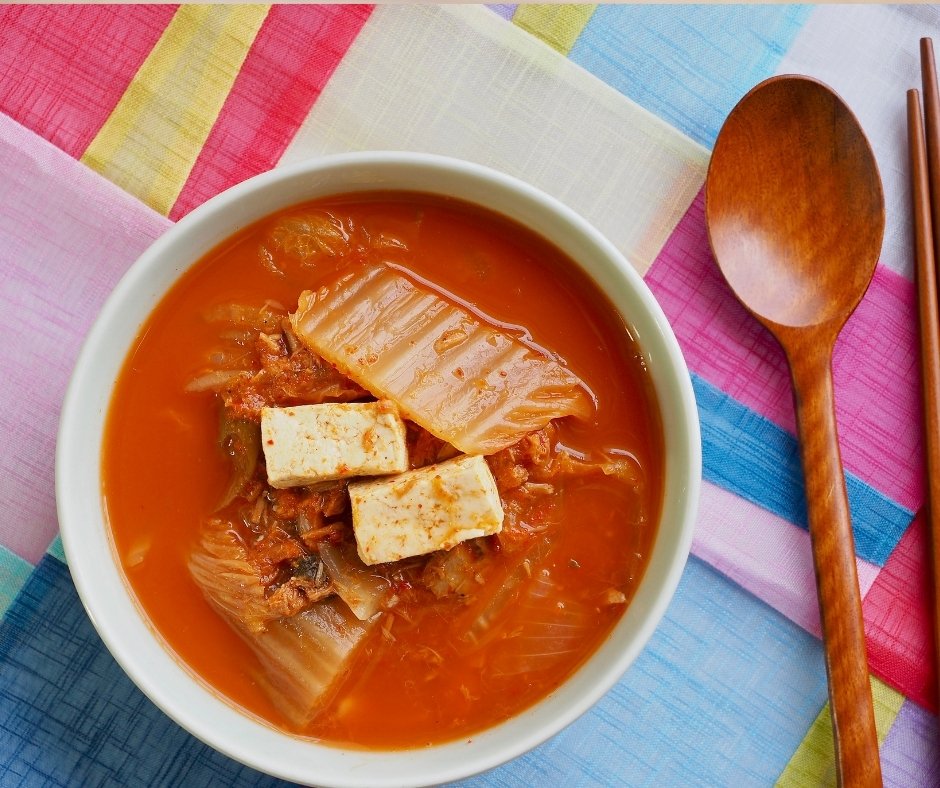
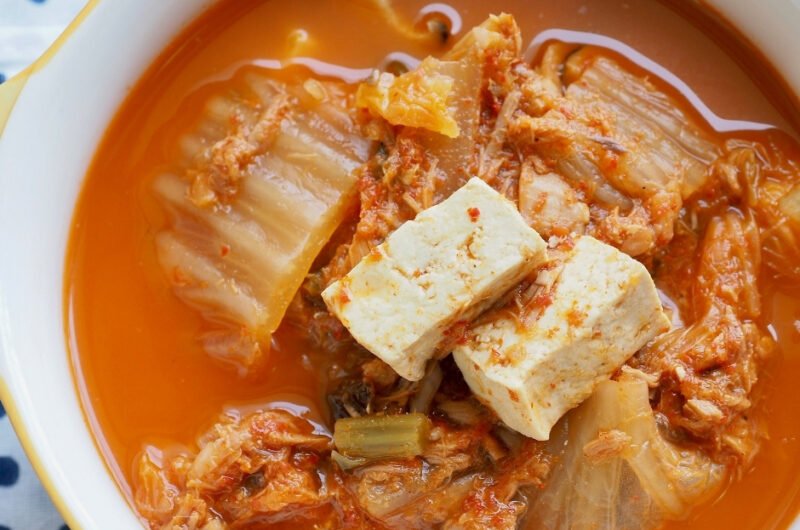
This Korean Kimchi Stew, also called Kimchi Jjigae, is made with well-fermented kimchi, tofu, vegetables, and a rich, spicy broth.
It’s a simple one-pot Korean dinner with bold flavor and just the right amount of heat.
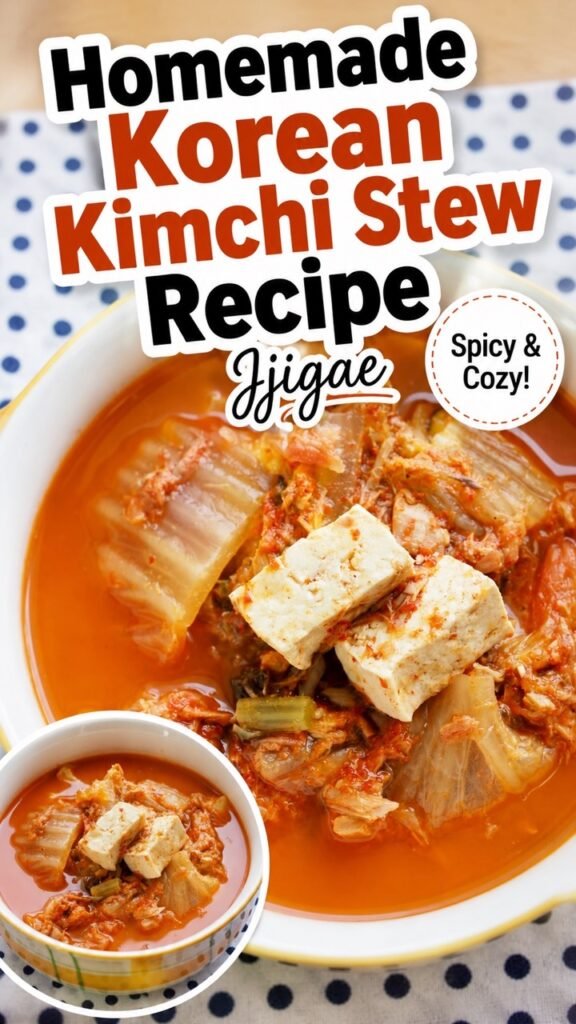
Kimchi jjigae is one of those recipes that tastes even better when the kimchi is extra sour and fully fermented.
It comes together quickly on the stovetop and makes an easy lunch or dinner when you want something warm and filling.
Serve this Korean kimchi stew with steamed rice, extra tofu, green onions, or your favorite Korean side dishes for a complete meal.
I make this on cold nights when I want something bold and a little spicy, and it comes together in under 30 minutes once the kimchi is prepped.
If you like bold, Asian-inspired dinners like this one, these are worth trying too:
- 25 Easy Chicken Rice Bowls to Meal Prep This Week
- Air Fryer Teriyaki Chicken Wings
- 10 High Protein Meal Prep Bowls That Make Healthy Eating Actually Easy
- One Pot Beef and Chickpea Stew Packed with Protein and Fiber
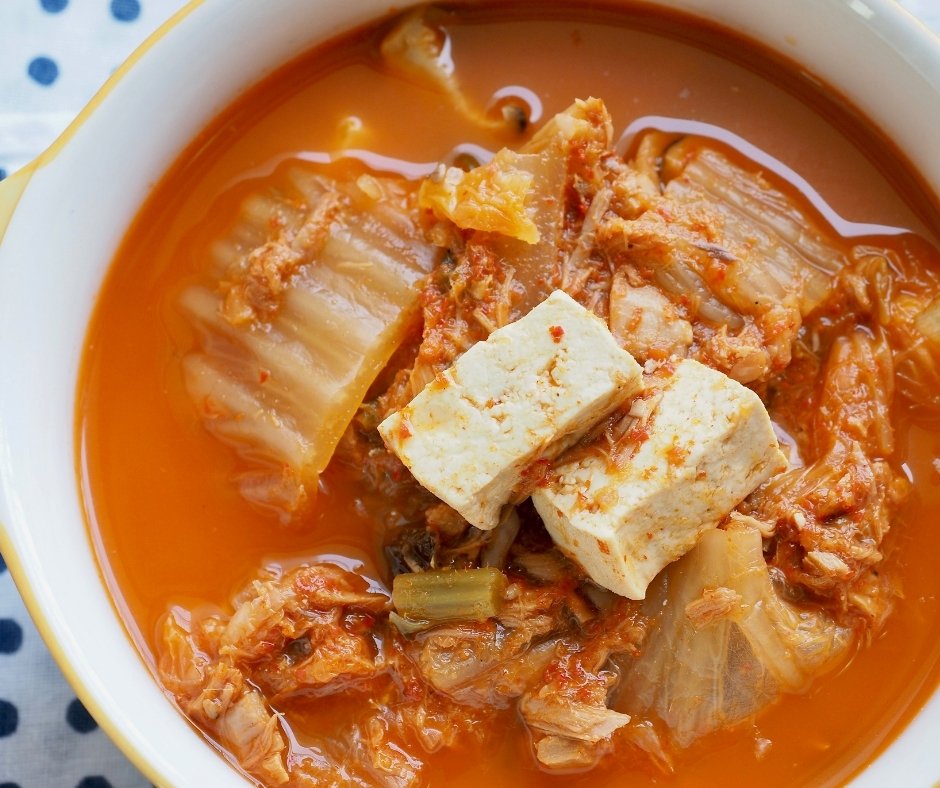
Ingredients You’ll Need
Well-fermented, slightly sour kimchi works better here than fresh kimchi, since the tang deepens the broth as it simmers.
Gochugaru (Korean chili flakes) gives the stew its color and heat, and it’s worth seeking out rather than substituting a different chili powder.
 Print
Print
Ingredients
2 tbsp sesame or vegetable oil
2 cups well-fermented kimchi, roughly chopped
1/4 cup kimchi juice (from the jar)
1 tbsp gochugaru (Korean chili flakes)
1 tbsp gochujang
3 cloves garlic, minced
3 cups water or chicken broth, Anchovy broth is traditional, but chicken broth, vegetable broth, or water can also be used.
2 blocks (28 oz) firm tofu, cubed, divided
1 tsp sugar
2 green onions, sliced
Steamed rice, for serving
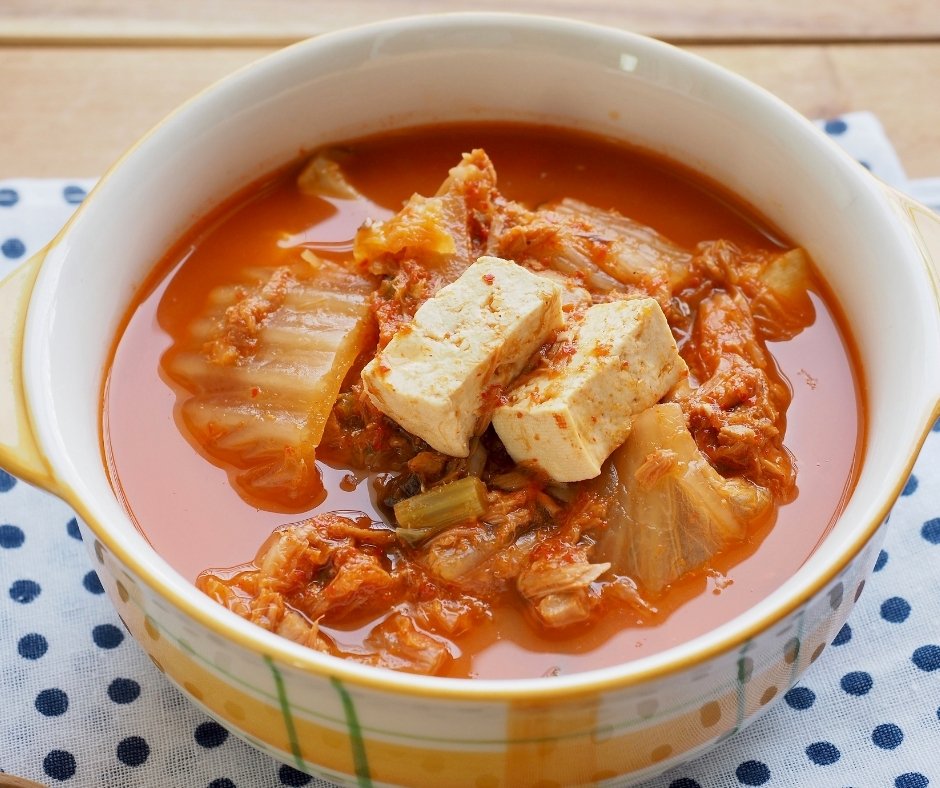
Directions
- Heat the oil in a pot or deep skillet over medium heat.
Add half the tofu cubes and pan-fry for 4 to 5 minutes, turning occasionally, until lightly golden on a couple sides, then remove and set aside.
This gives the tofu some seared, meaty texture and a little extra bite. - Add the chopped kimchi to the same pot and cook for 3 to 4 minutes, stirring occasionally, until it starts to soften and turn slightly translucent.
Stir in the gochugaru, gochujang, and garlic, cooking for about a minute until fragrant.
This step builds a lot of the stew’s depth, so don’t rush past it. - Pour in the kimchi juice and water or chicken broth, stirring to combine.
Bring to a boil, then reduce the heat to a simmer and cook for 15 minutes, uncovered.
The chicken broth should turn a deep red and the kimchi should be very soft by this point. - Add the remaining raw tofu cubes, the tofu you seared earlier, and the sugar, stirring gently so the tofu doesn’t break apart.
Simmer for another 5 minutes, until everything is heated through.
This one takes a bit of patience with the initial simmer, just so you know, since that’s what develops most of the stew’s flavor. - Taste and adjust with more gochugaru if you want it spicier, or a touch more sugar if the kimchi is very sour.
Stir in the sliced green onions just before serving.
Ladle into bowls.
- Serve hot with steamed rice on the side and enjoy!
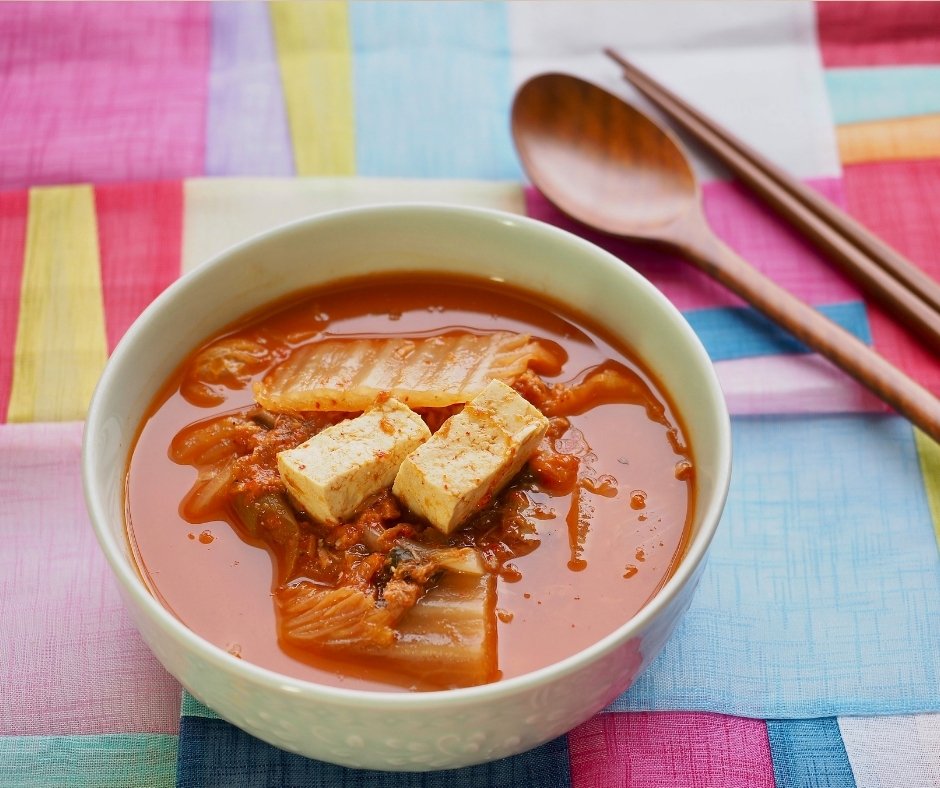
Important Recipe Notes
- Use well-fermented, sour kimchi. Fresh, mild kimchi doesn’t have the depth this stew relies on. Kimchi that’s been in the fridge a few extra weeks is actually ideal here.
- Don’t skip cooking the kimchi before adding the liquid. A few minutes in the hot, seasoned oil left behind from searing the tofu softens the kimchi and deepens its flavor before it becomes part of the broth.
- Add the tofu gently. Stirring too vigorously once it’s in the pot can break the cubes apart into crumbles instead of keeping neat pieces.
- Gochugaru and gochujang are not interchangeable with generic chili powder. Both have a distinct flavor that’s part of what makes this taste like an authentic kimchi jjigae, so it’s worth seeking them out at a Korean grocery store or online.
- Store leftovers in an airtight container in the fridge for up to 4 days. This stew tastes even better the next day, once the flavors have had more time to meld.
- This freezes reasonably well, though the tofu texture can change slightly after thawing. Freeze the broth for up to 3 months and add fresh tofu when reheating if you prefer.
How to Serve, Store & Customize This Recipe
Serving:
Serve hot with a bowl of steamed rice on the side, spooning the stew over the rice as you eat. A side of extra kimchi or Korean banchan rounds this out into a fuller meal.
Storage:
Keep leftovers in an airtight container in the fridge for up to 4 days. Reheat gently on the stove, adding a splash of water or broth if it’s thickened up too much.
Customization:
Use vegetable broth in place of water or broth to keep this fully vegetarian. Adding a soft-cooked egg on top right before serving is a common addition.
Korean Kimchi Stew (Kimchi Jjigae)
Course: Recipes4
servings10
minutes25
minutes270
kcalIngredients
2 tbsp sesame or vegetable oil
2 cups well-fermented kimchi, roughly chopped
1/4 cup kimchi juice (from the jar)
1 tbsp gochugaru (Korean chili flakes)
1 tbsp gochujang
3 cloves garlic, minced
3 cups water or broth, Anchovy broth is traditional, but chicken broth, vegetable broth, or water can also be used.
2 blocks (28 oz) firm tofu, cubed, divided
1 tsp sugar
2 green onions, sliced
Steamed rice, for serving
Directions
- Heat the oil in a pot or deep skillet over medium heat. Add half the tofu cubes and pan-fry for 4 to 5 minutes, turning occasionally, until lightly golden on a couple sides, then remove and set aside for later.
- Add the chopped kimchi to the same pot and cook for 3 to 4 minutes, stirring occasionally, until it softens and turns slightly translucent. Stir in the gochugaru, gochujang, and garlic, and cook about a minute more, until fragrant.
- Pour in the kimchi juice and the water or broth, stirring to combine. Bring to a boil, then reduce heat and simmer uncovered for 15 minutes, until the broth turns deep red and the kimchi is very soft.
- Add the remaining raw tofu, the tofu you seared earlier, and the sugar, stirring gently so it doesn’t break apart, and simmer for another 5 minutes, until everything is heated through.
- Taste and adjust, adding more gochugaru for extra heat or a touch more sugar if the kimchi is very sour. Stir in the sliced green onions just before serving, then ladle into bowls.
- Serve hot with steamed rice on the side and enjoy!
Notes
- Older, sour kimchi gives Kimchi Jjigae its best flavor. Fresh kimchi will taste milder and less developed.
- Kimchi varies a lot in saltiness, spice, and acidity, so taste the stew before adding extra salt or seasoning.
- If your kimchi container has extra juice, add some to the broth for a stronger kimchi flavor.
- Add tofu toward the end so the pieces stay intact and do not break apart while simmering.
- Anchovy broth is traditional, but chicken broth, vegetable broth, or water can also be used.
- Nutritional Information
Estimated per serving, based on approximately 4 servings:
Calories: 280 kcal
Protein: 20 g
Carbohydrates: 14 g
Fat: 16 g
Saturated Fat: 4 g
Fiber: 4 g
Sugar: 5 g
Sodium: 1,050 mg
Cholesterol: 45 mg