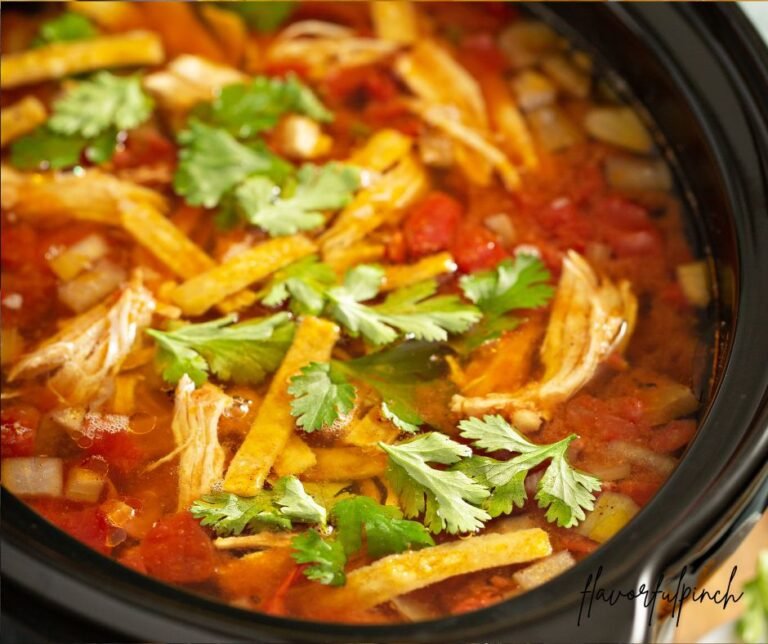
Menstrual Phase Foods: What to Eat During Your Period (Breakfast, Lunch & Dinner Recipes)
Your period is not the time to survive on salads and willpower.
I learned that the hard way. For years, I tried to eat the same way all month. Light meals. Low calories. Pushing through.
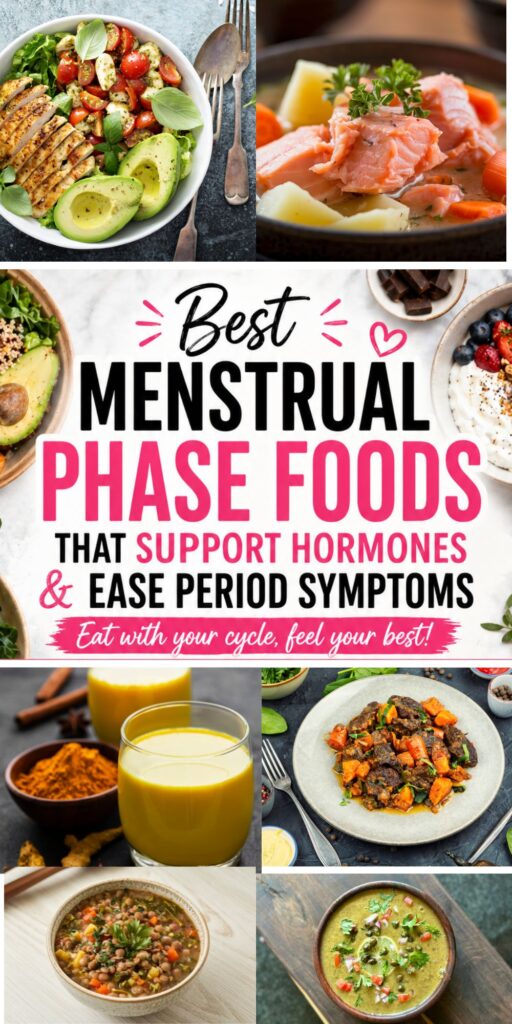
It wasn’t until I started paying attention to what my body actually needed during each phase of my cycle that things shifted.
The menstrual phase — is the phase where your body is doing the most work. Your estrogen and progesterone are at their lowest. Your uterine lining is shedding. Your iron levels are dropping. Your energy naturally pulls inward.
What you eat during these days genuinely matters. Not in a restrictive, rules-based way, but in the way that eating iron-rich food when you’re losing blood makes your body feel different than eating empty carbs and caffeine. Warm, nourishing, mineral-dense food during your period isn’t indulgent — it’s appropriate.
This article covers exactly what to eat during the menstrual phase, why each type of food supports your body during this time, and fifteen recipes — five breakfasts, five lunches, five dinners — that are comforting, hormone-supportive, and actually delicious enough to want to make.
What Is the Menstrual Phase?
The menstrual phase is Day 1 through approximately Day 5 of your cycle. It’s the phase most people think of as simply “having your period,” but from a hormonal standpoint it’s one of the most significant transitions in your entire cycle.
Estrogen and progesterone both drop sharply right before and during this phase. Prostaglandins — the hormone-like compounds that trigger uterine contractions — are elevated, which is what causes cramping. Your body temperature is lower. Your energy is naturally at its lowest point in the cycle. This is not a malfunction. It’s your body asking to slow down.
The menstrual phase is also when your body loses iron — which is why so many people feel fatigued, foggy, and emotionally flat during their period. The fatigue isn’t just in your head. It has a physiological cause that food can directly address.
What to Eat During the Menstrual Phase
Iron-rich foods
This is the most important category. You’re losing iron through blood, and iron is essential for energy, cognitive function, and mood. The fatigue and brain fog of your period is often at least partly iron depletion.
Red meat, organ meats, dark leafy greens, lentils, beans, pumpkin seeds, and dark chocolate all contribute meaningful amounts of iron.
Pair iron-rich plant foods with vitamin C (lemon juice, bell peppers, strawberries) to increase absorption — non-heme iron from plant sources absorbs better in the presence of vitamin C.
Magnesium-rich foods
Magnesium is a natural muscle relaxant and plays a role in reducing the severity of cramps. It also supports mood and sleep quality, both of which tend to be disrupted during the menstrual phase.
Dark chocolate, avocado, pumpkin seeds, spinach, black beans, and dark leafy greens are all good sources.
Omega-3 fatty acids
Omega-3s have anti-inflammatory properties that can help reduce the intensity of period cramps. Salmon, sardines, walnuts, flaxseeds, and chia seeds are your best food sources.
Warming, cooked foods
During the menstrual phase, many women find that warm, cooked foods feel better than cold, raw ones.
This is consistent with traditional medicine systems that have observed for centuries that warming foods support circulation and reduce cramping.
Soups, stews, roasted vegetables, and warm grains tend to feel deeply nourishing during this time in a way that a cold salad simply doesn’t.
Zinc
Zinc supports the immune system, helps regulate prostaglandins (reducing cramping), and is involved in hormone regulation. Beef, pumpkin seeds, chickpeas, and cashews are good food sources.
Anti-inflammatory foods
Chronic inflammation worsens period symptoms. Turmeric, ginger, berries, leafy greens, olive oil, and fatty fish all have anti-inflammatory properties that support the body during the menstrual phase.
What to Limit During Your Period
You don’t need to eliminate anything, but some foods tend to make period symptoms noticeably worse for many women.
Caffeine constricts blood vessels and can increase cramping. It also disrupts sleep and amplifies anxiety — both already challenging during this phase. If you can’t skip coffee entirely, try reducing to one cup and switching to a lower-acid option.
Excess sugar and refined carbs spike blood sugar, which then crashes and drags energy down further. They also increase inflammation, which worsens cramping.
Salty processed foods increase bloating and water retention — something most people already deal with during the menstrual phase without any help.
Excess dairy is worth being mindful of — for some women, dairy increases prostaglandin production and worsens cramping.
This varies a lot from person to person. Pay attention to whether dairy affects your symptoms.
Menstrual Phase Breakfast Recipes
Breakfast during your period should feel warm, grounding, and easy to make.
These five recipes are built around iron, magnesium, and anti-inflammatory ingredients — and all of them are genuinely comforting to eat on a slow morning when you’re not feeling your best.
1. Warm Ginger Oatmeal with Dark Chocolate and Pumpkin Seeds
This is my go-to period breakfast. It’s warm, it’s a little sweet, it takes ten minutes, and every ingredient is doing something useful.
Ingredients (serves 1):
- 1/2 cup rolled oats
- 1 cup water or unsweetened almond milk
- 1/2 teaspoon fresh grated ginger (or 1/4 teaspoon ground)
- 1/4 teaspoon cinnamon
- Pinch of sea salt
- 1 tablespoon dark chocolate chips or roughly chopped 85%+ dark chocolate
- 1 tablespoon pumpkin seeds
- Drizzle of honey or maple syrup
- Optional: sliced banana for extra potassium
Instructions:
- Bring liquid to a boil in a small saucepan. Add oats, ginger, cinnamon, and salt.
- Reduce heat to medium-low. Cook for 5 minutes, stirring occasionally, until oats are creamy and have absorbed most of the liquid.
- Pour into a bowl. Top with dark chocolate (it melts slightly into the warm oats), pumpkin seeds, and a drizzle of honey.
- Add banana slices if using. Eat warm.
2. Spinach and Egg Scramble with Avocado Toast
Simple, fast, and genuinely nourishing. This is a breakfast you can make in under ten minutes even when you feel like doing nothing.
Ingredients (serves 1):
- 2 to 3 large eggs
- 2 large handfuls baby spinach
- 1 tablespoon butter or olive oil
- 1/2 avocado
- 1 to 2 slices sourdough or whole grain toast
- Juice of 1/4 lemon
- Salt, pepper, red pepper flakes
- Optional: everything bagel seasoning on the avocado
Instructions:
- Melt butter in a skillet over medium-low heat. Add spinach and toss until wilted, about 1 to 2 minutes.
- Crack eggs into the pan. Scramble gently with a spatula, keeping the heat low for soft, creamy eggs.
- Toast bread while eggs cook.
- Mash avocado on toast with lemon juice and a pinch of salt.
- Serve scrambled egg and spinach alongside or on top of the avocado toast. Season generously.
3. Warm Golden Turmeric Smoothie Bowl
A smoothie bowl served warm — or at room temperature — is a good compromise for mornings when you want something light but your body is craving warmth over cold.
Ingredients (serves 1):
- 1 ripe banana, frozen
- 1/2 cup full-fat coconut milk
- 1/2 cup warm water or warm almond milk
- 1 teaspoon turmeric
- 1/4 teaspoon ginger
- Pinch of black pepper (essential for turmeric absorption)
- 1/2 teaspoon cinnamon
- 1 teaspoon honey
Toppings:
- 1 tablespoon chia seeds
- 1 tablespoon pumpkin seeds
- A few fresh berries
- Drizzle of honey
Instructions:
- Blend banana, coconut milk, warm water, turmeric, ginger, black pepper, cinnamon, and honey until smooth.
- Pour into a bowl — the consistency should be thick enough to hold toppings.
- Add toppings. Eat immediately while warm.
4. Lentil and Vegetable Breakfast Hash
I know — lentils for breakfast sounds unconventional. But this savory hash is one of the most iron-dense breakfasts you can eat, and it’s genuinely satisfying in a way that sweet breakfasts aren’t during the menstrual phase when your body is craving substance.
Ingredients (serves 2):
- 1 cup cooked green or brown lentils (canned and drained is fine)
- 1 small sweet potato, diced small and roasted or microwaved until soft
- 1/2 red bell pepper, diced
- 2 large handfuls spinach
- 2 tablespoons olive oil
- 2 garlic cloves, minced
- 1/2 teaspoon cumin
- 1/2 teaspoon smoked paprika
- Salt and pepper
- 2 eggs, fried or poached to serve alongside
- Optional: hot sauce or fresh lemon
Instructions:
- Heat olive oil in a large skillet over medium heat. Add bell pepper and cook 3 minutes.
- Add garlic, cumin, and paprika. Cook 30 seconds.
- Add cooked lentils and sweet potato. Toss to combine and let sit for 2 to 3 minutes undisturbed to develop some crispy edges.
- Add spinach and toss until wilted. Season generously.
- Serve with a fried or poached egg on top and a squeeze of lemon or hot sauce.
5. Dark Cherry and Chia Overnight Oats
When you want zero effort in the morning — because some mornings during your period that is the most you can ask of yourself — overnight oats are the answer. Make them the night before and pull them from the fridge in the morning.
Ingredients (serves 1):
- 1/2 cup rolled oats
- 1 cup unsweetened almond milk
- 2 tablespoons chia seeds
- 1 tablespoon maple syrup or honey
- 1/2 teaspoon vanilla extract
- 1/4 teaspoon cinnamon
- 1/2 cup dark cherries, fresh or frozen-thawed, pitted and halved
- 1 tablespoon dark chocolate shavings or chips for topping
Instructions:
- Combine oats, almond milk, chia seeds, maple syrup, vanilla, and cinnamon in a jar or bowl. Stir well.
- Stir again after 5 minutes to prevent chia clumping.
- Cover and refrigerate overnight or for at least 4 hours.
- In the morning, top with dark cherries and dark chocolate.
- Eat cold, or warm gently in the microwave for 60 seconds if you prefer it warm.
Menstrual Phase Lunch Recipes
Lunch during your period should be warm, filling, and not require a lot of energy to eat or digest. These five lunches focus on iron, zinc, and anti-inflammatory ingredients in formats that are satisfying without being heavy.
6. Beef and Spinach Stuffed Sweet Potato
This is one of those lunches that looks more complicated than it is. You bake a sweet potato — which requires zero effort — and fill it with a quickly cooked beef and spinach mixture that comes together in about eight minutes.
Ingredients (serves 1):
- 1 medium sweet potato
- 4 oz lean ground beef or leftover cooked beef, chopped
- 2 large handfuls baby spinach
- 1/2 teaspoon cumin
- 1/2 teaspoon garlic powder
- Salt and pepper
- 1 tablespoon olive oil
- Optional toppings: a spoonful of Greek yogurt, avocado slices, or a drizzle of tahini
Instructions:
- Pierce sweet potato several times with a fork. Microwave for 5 to 7 minutes until soft, or bake at 400°F for 45 minutes.
- While potato cooks, heat olive oil in a skillet. Add beef and cook until browned, breaking it up. Season with cumin, garlic powder, salt, and pepper.
- Add spinach to the pan and toss until wilted, about 1 minute.
- Split the sweet potato open and fluff the inside slightly with a fork.
- Pile the beef and spinach mixture inside. Add any optional toppings.
7. Lemon Ginger Lentil Soup
Warm, simple, deeply nourishing. This lentil soup is one of the most iron-rich lunches you can make and it genuinely tastes good — not medicinal, not bland, but bright and warming with lemon and ginger doing most of the flavor work.
Ingredients (serves 4):
- 1.5 cups red lentils, rinsed
- 1 medium onion, diced
- 3 garlic cloves, minced
- 1 tablespoon fresh grated ginger
- 1 teaspoon turmeric
- 1 teaspoon cumin
- 1/2 teaspoon smoked paprika
- 4 cups chicken or vegetable broth
- 1 can (14 oz) diced tomatoes
- Juice of 1 large lemon
- 2 tablespoons olive oil
- Salt and pepper
- Fresh cilantro or parsley for serving
Instructions:
- Heat olive oil in a large pot over medium heat. Add onion and cook until softened, about 5 minutes.
- Add garlic, ginger, turmeric, cumin, and paprika. Cook 1 minute until fragrant.
- Add lentils, broth, and diced tomatoes. Stir and bring to a boil.
- Reduce heat and simmer for 25 to 30 minutes until lentils have broken down and the soup is thick.
- Stir in lemon juice. Season generously with salt and pepper.
- Ladle into bowls and top with fresh herbs. Serve with warm bread or pita.
8. Sardine and Avocado Toast with Everything Seasoning
Before you scroll past this one — stay with me for a second. Sardines are one of the most nutrient-dense foods you can eat during your period. They’re rich in iron, omega-3 fatty acids, calcium, and vitamin D. They also happen to be inexpensive, require zero cooking, and taste genuinely good on thick toast with avocado and lemon.
Ingredients (serves 1):
- 1 can sardines in olive oil, drained
- 1/2 ripe avocado
- 2 slices thick whole grain or sourdough bread, toasted
- Juice of 1/2 lemon
- 1/4 teaspoon everything bagel seasoning or flaky sea salt
- Red pepper flakes
- Optional: thinly sliced red onion, capers, or fresh dill
Instructions:
- Toast bread until properly golden.
- Mash avocado on toast with lemon juice and a pinch of salt.
- Drain sardines and lay over the avocado.
- Sprinkle with everything bagel seasoning, red pepper flakes, and any optional toppings.
- Squeeze a little extra lemon over the top. Eat immediately.
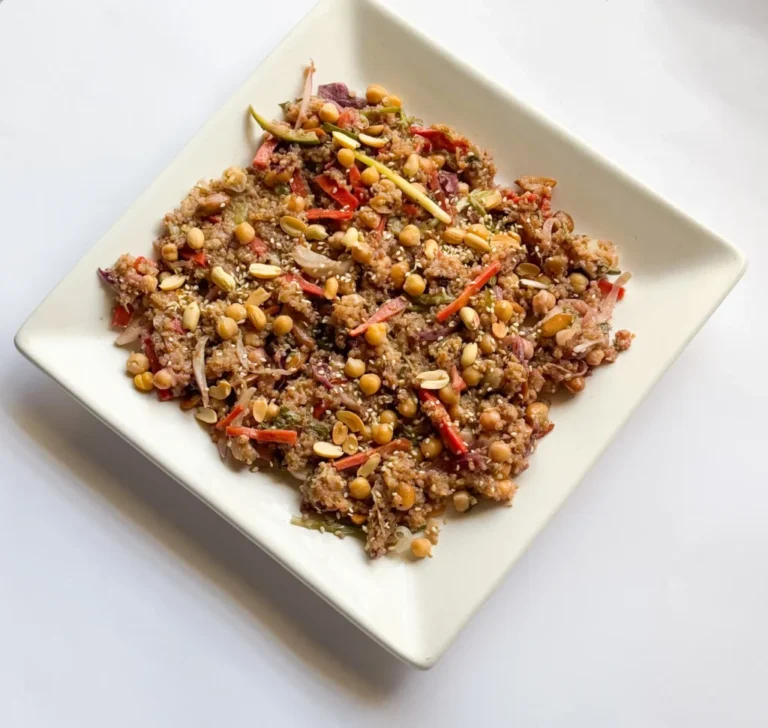
9. Warm Chickpea and Roasted Tomato Bowl
A vegetarian lunch that’s high in iron, zinc, and fiber — and genuinely satisfying.
Roasting the tomatoes concentrates their flavor and sweetness, and pairing chickpeas with lemon (vitamin C) significantly boosts the iron you absorb from them. This bowl comes together in about 30 minutes with most of that being oven time you don’t need to attend to.
Ingredients (serves 2):
- 1 can (14 oz) chickpeas, drained and rinsed
- 1 cup cherry tomatoes
- 3 tablespoons olive oil, divided
- 1 teaspoon smoked paprika
- 1 teaspoon cumin
- 3 garlic cloves, minced
- 2 large handfuls spinach
- Juice of 1/2 lemon
- Salt and pepper
- Optional: 1/4 cup crumbled feta and warm pita to serve
Instructions:
- Preheat oven to 400°F. Toss chickpeas and cherry tomatoes with 2 tablespoons olive oil, paprika, cumin, salt, and pepper on a baking sheet.
- Roast for 25 to 30 minutes until chickpeas are slightly crispy and tomatoes are blistered.
- Heat remaining olive oil in a skillet over medium heat. Add garlic and cook 30 seconds. Add spinach and toss until wilted.
- Combine roasted chickpeas, tomatoes, and spinach in a bowl. Squeeze lemon over the top.
- Top with feta if using. Serve with warm pita.
10. Teriyaki Salmon Rice Bowl
Salmon over rice is one of the most complete menstrual phase lunches you can make — it covers omega-3s, iron, zinc, B vitamins, and complex carbohydrates in one bowl.
Ingredients (serves 2):
- 2 salmon fillets (about 5 oz each)
- 1 cup brown rice, cooked
- 1 cup edamame or steamed broccoli
- 2 tablespoons soy sauce
- 1 tablespoon honey
- 1 teaspoon sesame oil
- 1 teaspoon fresh grated ginger
- 1 garlic clove, minced
- 1 tablespoon olive oil for cooking
- Sesame seeds and sliced green onion to finish
- Optional: sliced avocado
Instructions:
- Mix soy sauce, honey, sesame oil, ginger, and garlic in a small bowl. This is your teriyaki glaze.
- Season salmon with salt and pepper. Heat olive oil in a skillet over medium-high heat.
- Cook salmon skin-side down for 4 minutes without moving it. Flip and cook 2 minutes more.
- Pour teriyaki glaze over the salmon in the last minute of cooking. Spoon it over as it bubbles.
- Serve salmon over brown rice with edamame or broccoli alongside.
- Finish with sesame seeds and green onion.
Menstrual Phase Dinner Recipes
Dinner during your period should be warming and easy to make, even when your energy is low. These five dinners lean into exactly what the menstrual phase calls for — iron-rich proteins, anti-inflammatory ingredients, warming spices.
11. Slow Cooker Beef and Root Vegetable Stew
The ultimate menstrual phase dinner. You set this up in the morning — or even the night before — and come home to a warm, iron-rich stew that requires nothing from you except ladling it into a bowl.
Ingredients (serves 4 to 5):
- 1.5 lbs beef chuck, cut into 1.5-inch cubes
- 2 carrots, peeled and chopped
- 2 parsnips or 1 large sweet potato, peeled and chopped
- 1 cup mushrooms, quartered
- 1 medium onion, diced
- 3 garlic cloves, minced
- 2 cups beef broth
- 1 can (14 oz) diced tomatoes
- 1 tablespoon tomato paste
- 1 teaspoon each: thyme, rosemary, paprika
- Salt and pepper
- 1 tablespoon olive oil
- Optional: 1 cup frozen peas added in the last 30 minutes
Instructions:
- Season beef with salt and pepper. Sear in olive oil in a hot skillet for 2 minutes per side until browned on the outside (this step is optional but adds significant flavor).
- Transfer beef and all remaining ingredients to the slow cooker. Stir to combine.
- Cook on low for 7 to 8 hours or high for 4 to 5 hours until beef is fork-tender.
- Taste and adjust seasoning. Ladle into bowls. Serve with crusty bread or over mashed sweet potato.
12. Turmeric Chicken and Rice (One Pot)
This is the dinner version of a hug. Golden turmeric rice with tender chicken, warming spices, and a rich broth base — everything cooks in one pot and the whole thing takes about 40 minutes.
Ingredients (serves 3 to 4):
- 1.5 lbs bone-in, skin-on chicken thighs
- 1.5 cups long grain white rice
- 3 cups chicken broth
- 1 medium onion, diced
- 3 garlic cloves, minced
- 1 teaspoon turmeric
- 1 teaspoon cumin
- 1/2 teaspoon cinnamon
- 1/2 teaspoon ginger
- Salt and pepper
- 2 tablespoons olive oil
- 2 large handfuls spinach
- Fresh lemon and parsley to finish
Instructions:
- Season chicken with salt, pepper, and half the turmeric. Heat olive oil in a large, deep skillet or Dutch oven over medium-high heat.
- Sear chicken skin-side down for 6 to 7 minutes until deeply golden. Flip and sear 2 more minutes. Remove and set aside.
- In the same pan, cook onion for 4 minutes. Add garlic and remaining spices. Cook 1 minute.
- Add rice. Stir to coat in the spiced oil. Pour in chicken broth and bring to a boil.
- Nestle chicken thighs back into the pan, skin-side up. Reduce heat to low, cover, and cook for 20 to 25 minutes until rice is cooked and chicken is done.
- Remove lid, stir in spinach until wilted. Finish with lemon juice and fresh parsley.
13. Salmon with Garlic Butter Spinach and Roasted Broccoli
The most nutrient-dense dinner on this list. Salmon gives you omega-3s for inflammation and cramping, iron, and vitamin D. Spinach adds magnesium and additional iron.
Ingredients (serves 2):
- 2 salmon fillets (6 oz each)
- 2 cups broccoli florets
- 3 large handfuls baby spinach
- 3 tablespoons butter, divided
- 4 garlic cloves, minced
- Juice of 1/2 lemon
- 2 tablespoons olive oil
- Salt, pepper, red pepper flakes
- Optional: capers over the salmon
Instructions:
- Preheat oven to 400°F. Toss broccoli with olive oil, salt, and pepper. Spread on a baking sheet and roast 20 to 25 minutes.
- Meanwhile, pat salmon dry and season with salt and pepper. Heat 1 tablespoon butter in a skillet over medium-high heat.
- Cook salmon skin-side down for 4 minutes. Flip and cook 2 more minutes. Remove from pan.
- In the same pan, melt remaining butter. Add garlic and cook 30 seconds. Add spinach and toss until wilted, 1 to 2 minutes.
- Add lemon juice and red pepper flakes to the spinach.
- Serve salmon over the garlic butter spinach with roasted broccoli alongside.
14. Black Bean and Sweet Potato Enchiladas
A warm, comforting vegetarian dinner that happens to be loaded with menstrual phase nutrients. Black beans are one of the highest plant sources of iron and magnesium.
Ingredients (serves 4):
- 8 small corn or flour tortillas
- 1 can (14 oz) black beans, drained and rinsed
- 1 medium sweet potato, cooked and mashed or diced small
- 1/2 red bell pepper, diced
- 1/2 cup corn kernels (frozen is fine)
- 1 cup shredded cheddar or Mexican blend cheese, divided
- 1 teaspoon cumin
- 1/2 teaspoon chili powder
- 1/2 teaspoon garlic powder
- Salt and pepper
- 1.5 cups enchilada sauce (jarred is completely fine)
- Toppings: sour cream, avocado, fresh cilantro, lime
Instructions:
- Preheat oven to 375°F. Mix black beans, sweet potato, bell pepper, corn, half the cheese, and all spices in a bowl. Season with salt and pepper.
- Spread a thin layer of enchilada sauce in the bottom of a 9×13 baking dish.
- Spoon filling into each tortilla, roll tightly, and place seam-side down in the dish.
- Pour remaining enchilada sauce over the top. Sprinkle with remaining cheese.
- Cover with foil and bake 25 minutes. Remove foil and bake 10 more minutes until cheese is bubbly and golden.
- Serve with sour cream, avocado, cilantro, and lime.
15. Liver and Caramelized Onion with Mashed Sweet Potato
This is the most nutritionally powerful dinner on this list and I’m including it because organ meat is the single richest source of iron, B12, folate, and zinc available — bar none. A small serving of beef or chicken liver during your period provides more bioavailable iron than almost anything else you can eat. I know liver has a reputation that precedes it, but cooked well — and the caramelized onions are the key — it’s genuinely delicious, not gamey, and deeply satisfying.
If liver is a hard no for you, skip to the other dinners. But if you’re open to it, especially during your period when your iron needs are highest, this is worth trying.
Ingredients (serves 2):
- 8 to 10 oz beef or chicken liver, sliced
- 2 large onions, thinly sliced
- 2 large sweet potatoes
- 3 tablespoons butter, divided
- 1 tablespoon olive oil
- 1 tablespoon balsamic vinegar
- 1 teaspoon fresh thyme (or 1/2 tsp dried)
- Salt and pepper
- 2 tablespoons heavy cream or milk for the mash
- Optional: a splash of chicken broth to deglaze the pan
Instructions:
- Make the mashed sweet potato: peel, cube, and boil sweet potatoes until very soft, about 15 minutes. Drain and mash with 1 tablespoon butter, cream, salt, and pepper. Keep warm.
- Caramelize the onions: heat 1 tablespoon butter and olive oil in a large skillet over medium-low heat. Add onions, a pinch of salt, and cook slowly for 25 to 30 minutes, stirring every few minutes, until deeply golden and sweet. Don’t rush this. Add balsamic vinegar in the last 5 minutes. Remove onions and set aside.
- In the same pan, increase heat to medium-high. Melt remaining butter. Season liver slices with salt, pepper, and thyme. Cook 2 to 3 minutes per side — you want them browned on the outside but still slightly pink inside. Overcooked liver becomes tough and strongly flavored.
- Return onions to the pan for the last 30 seconds to warm through.
- Serve liver and caramelized onions over mashed sweet potato.
Period-Friendly Desserts
These are the dessert options that are actually supportive rather than just indulgent.
Dark chocolate (85%+ cocoa):
The most straightforward period dessert. High in magnesium and iron, naturally satisfying in small amounts, and has mood-supporting properties. Two or three squares of good dark chocolate is a genuinely nourishing end to a menstrual phase meal.
Baked cinnamon pears with dark chocolate drizzle:
Halve two pears, place cut-side up in a baking dish, sprinkle with cinnamon and a tiny drizzle of honey, and bake at 375°F for 20 minutes until soft and caramelized. Drizzle with melted dark chocolate. Serve warm. Pears are gentle on digestion, cinnamon supports blood sugar balance, and dark chocolate adds magnesium.
Warm banana with almond butter and dark chocolate chips:
Slice a banana in half lengthwise, warm in a pan with a small knob of butter for 2 minutes, place in a bowl, top with a spoonful of almond butter and a few dark chocolate chips. Eat warm. Sounds too simple to be satisfying — it is genuinely satisfying.
Cherry and dark chocolate smoothie:
Blend 1 cup frozen dark cherries, 1 cup almond milk, 1 tablespoon almond butter, 1 tablespoon dark chocolate powder or melted dark chocolate, and a drizzle of honey.
Serve cold or at room temperature. Cherries are anti-inflammatory, chocolate adds magnesium, almond butter adds healthy fats.
Hormone Balancing Drinks for the Menstrual Phase
What you drink during your period matters as much as what you eat.
Ginger tea:
Steep fresh ginger slices in hot water for 10 minutes. Add honey and lemon. Ginger is clinically shown to reduce period pain when consumed consistently — drinking 2 to 3 cups daily during the menstrual phase is worth trying if you experience cramping.
Golden milk (turmeric latte):
Warm 1 cup full-fat coconut milk or oat milk. Whisk in 1 teaspoon turmeric, 1/4 teaspoon ginger, a pinch of black pepper, 1/4 teaspoon cinnamon, and honey to taste. Drink warm before bed. Anti-inflammatory, warming, and genuinely good.
Raspberry leaf tea:
Traditional herbal tea used for centuries to support uterine health. It has a mild, pleasant flavor and is often used to reduce cramping and support the reproductive system. Available at most health food stores.
Warm lemon water with honey:
Simple but effective. Supports digestion, provides a small hit of vitamin C to help with iron absorption, and is warming without caffeine.
Bone broth:
Sip a cup of warm bone broth as a morning drink or between meals. High in minerals including iron and zinc, deeply nourishing, and warming in a way that supports the body during the menstrual phase.
A Simple Meal Plan for the Menstrual Phase
You don’t need to follow this exactly — it’s a starting point to show how these recipes flow together over a few days.
Day 1:
- Breakfast: Warm Ginger Oatmeal with Dark Chocolate and Pumpkin Seeds
- Lunch: Lemon Ginger Lentil Soup with warm bread
- Dinner: Slow Cooker Beef and Root Vegetable Stew
- Dessert: 2 to 3 squares dark chocolate
Day 2:
- Breakfast: Spinach and Egg Scramble with Avocado Toast
- Lunch: Beef and Spinach Stuffed Sweet Potato
- Dinner: Turmeric Chicken and Rice
- Drink: Golden Milk before bed
Day 3:
- Breakfast: Dark Cherry and Chia Overnight Oats
- Lunch: Teriyaki Salmon Rice Bowl
- Dinner: Salmon with Garlic Butter Spinach and Roasted Broccoli
- Dessert: Baked Cinnamon Pears with Dark Chocolate Drizzle
Day 4:
- Breakfast: Warm Golden Turmeric Smoothie Bowl
- Lunch: Warm Chickpea and Roasted Tomato Bowl
- Dinner: Black Bean and Sweet Potato Enchiladas
- Drink: Ginger tea throughout the day
Day 5:
- Breakfast: Lentil and Vegetable Breakfast Hash
- Lunch: Sardine and Avocado Toast
- Dinner: Liver and Caramelized Onion with Mashed Sweet Potato (if you’re ready to try it)
- Dessert: Warm Banana with Almond Butter and Dark Chocolate Chips
Frequently Asked Questions
What foods help with period cramps?
Ginger is the most well-studied food for period pain — research has found it comparable to ibuprofen for reducing menstrual cramping when consumed consistently over the first few days of menstruation.
Magnesium-rich foods (dark chocolate, pumpkin seeds, leafy greens, avocado) help relax uterine muscles. Omega-3 fatty acids from salmon, sardines, and walnuts reduce the inflammatory prostaglandins that trigger cramping. Anti-inflammatory turmeric with black pepper also supports pain reduction.
What should I eat on the first day of my period?
Day one is typically when symptoms are most intense. Focus on warm, easily digestible foods — oatmeal with warming spices, lentil soup, stewed or roasted vegetables, and iron-rich proteins like beef or eggs.
Avoid cold, raw foods if your body is craving warmth, and avoid caffeine and excess sugar which can worsen cramping and energy crashes.
What foods make period cramps worse?
Caffeine, alcohol, excess sugar, salty processed foods, and for some women, dairy. Caffeine constricts blood vessels and can increase cramping. Alcohol depletes magnesium and worsens inflammation.
Excess sugar causes blood sugar spikes and crashes that worsen energy levels and mood. Paying attention to how your body responds to these foods during your period is more informative than any general rule.
How much iron do I need during my period?
The RDA for iron for women of reproductive age is 18mg per day. During menstruation, especially heavy periods, needs may be higher. The best sources of highly absorbable heme iron are red meat, organ meats, poultry, and fish. Plant sources of iron (lentils, spinach, beans, pumpkin seeds) are valuable but less absorbable — always pair them with vitamin C to maximize absorption.
Is dark chocolate actually good during your period?
Yes, with one caveat: it needs to be genuinely dark chocolate — 70% cocoa or higher, ideally 85%+. Dark chocolate at this percentage provides meaningful amounts of magnesium and iron, and has mood-supporting properties from the serotonin precursors it contains. Milk chocolate is mostly sugar and doesn’t offer the same benefits.
Can what I eat really reduce PMS and period symptoms?
Yes — with realistic expectations. Food is not a substitute for medication when symptoms are severe, and some conditions like endometriosis or PCOS require medical attention beyond dietary changes.
But for the majority of women, consistently eating iron-rich, magnesium-rich, anti-inflammatory foods during the menstrual phase and reducing caffeine, alcohol, and processed food does make a measurable difference in energy levels, mood, cramping intensity, and bloating. It’s worth a few cycles of intentional eating to see what shifts for you.