These sourdough blueberry scones are tender, buttery, and filled with juicy blueberries, making them the perfect way to use up extra sourdough discard. With a light hint of cinnamon and a soft, flaky texture, they’re ideal for breakfast, brunch, a tea party, or afternoon coffee.

Just like classic bakery-style scones, these have slightly crisp edges and a delicate crunch from sugar sprinkled on top. They’re delicious on their own, but a simple vanilla glaze adds the perfect finishing touch and makes them feel extra special.
You can also use this same base to make chocolate sourdough scones or sourdough Pop-Tarts, giving you a few easy flavor variations from one simple recipe.
 Print
Print
Ingredients
- Base Ingredients
300 g (about 2 ½ cups) all-purpose flour
100 g (approx ½ cup) cold butter, cubed
8 g (2 tsp) baking powder
2 g (a generous pinch) salt
50 g (¼ cup) brown sugar
70 g (⅓ cup) white sugar
200 g fresh or frozen blueberries (don’t thaw frozen)
- Wet Ingredients
1 large egg
150 g (about ⅔ cup) sourdough starter or discard
50 g (¼ cup) heavy whipping cream
5 g (1 tsp) vanilla extract
- For Finishing
30 g (2 tbsp) extra heavy whipping cream — for brushing
20 g (1–2 tbsp) granulated sugar — for sprinkling on top
Step-by-Step Directions
- Preheat your oven to 390°F (200°C). Line a baking tray with parchment paper, a flat tray without high rims bakes the best scones.
- Put the flour in a large bowl and sprinkle in the cubed, cold butter. Use your fingertips or a pastry cutter to rub the butter into the flour until the mixture looks crumbly with pea-sized bits of butter. This is the secret to flaky layers.
- Sprinkle in the baking powder, salt, brown sugar, white sugar, and blueberries. Fold gently so the blueberries are distributed without crushing them.
- In a separate bowl, whisk together the egg, sourdough starter, 50 g heavy cream, and vanilla until smooth.
- Pour the wet mix into the dry mix and use a spatula to combine. You’re aiming for a slightly shaggy dough, it’s okay if it seems rough. Do not overmix.
- Turn the dough out onto the lined tray. Press it gently into a flat circle about 11″ (30 cm) across. Cut into 8 wedges (quarters, then halves). Pull wedges slightly apart on the tray.
- Brush the tops with extra heavy cream and sprinkle with granulated sugar. This gives them a crunchy, sparkling crust. Bake for around 30 minutes, or until the tops are deeply golden. If you used frozen berries, they may take a few extra minutes.

- Let the scones cool for about 10 minutes before serving; this keeps them tender inside.

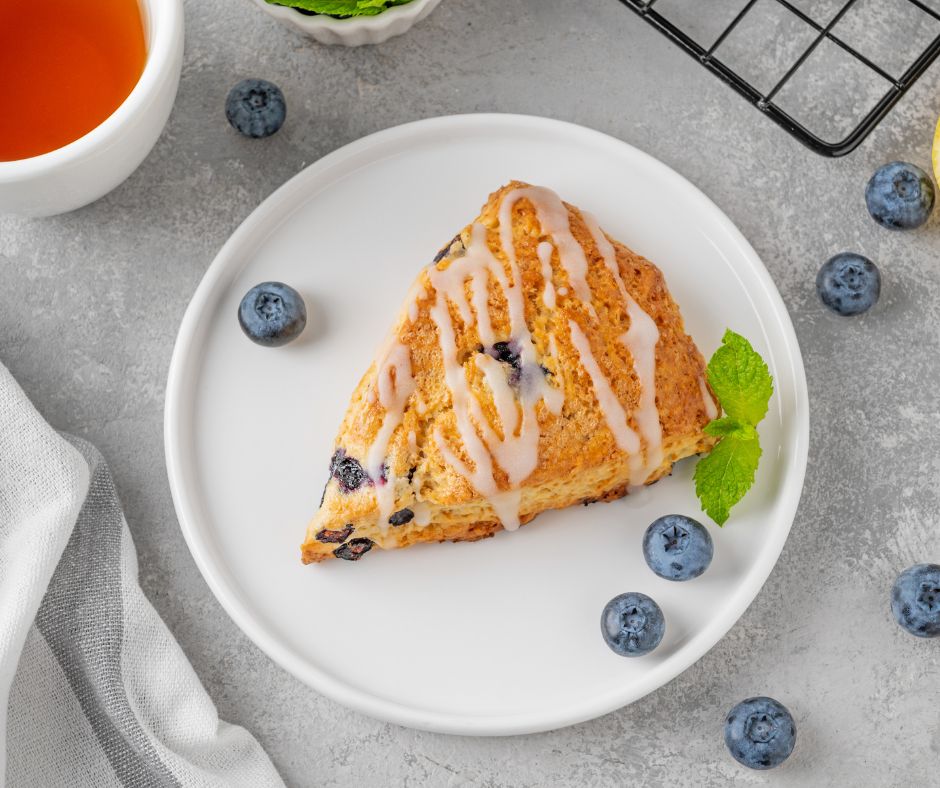
Sugar Choices and Their Flavor
Sugar does more than sweeten these scones—it shapes their overall flavor and texture. White sugar keeps the taste clean and lets the blueberries shine without overpowering them.
Brown sugar adds a gentle caramel note and a touch of moisture, which helps the scones stay soft inside. Using a mix of both creates balance, giving sweetness without heaviness.
Too much sugar can cause excessive spreading and darker bottoms, while too little can leave the scones tasting flat.
Coarse sugar sprinkled on top adds a light crunch and helps with browning.
Flavor Twists and Mix-Ins
- Lemon Blueberry: Add zest of one lemon to the dry mix and finish with a lemon glaze for bright citrus notes.
- White Chocolate Dream: Fold in 100 g white chocolate chips for sweet, creamy bites.
- Maple Pecan: Stir 100 g roughly chopped pecans into the dough and brush with a little maple syrup before baking.
Each variation keep the basic same while introducing exciting new layers of flavor.
The Dairy-Free Version
- Butter: Swap with cold vegan butter sticks, cut into cubes just like regular butter.
- Cream: Replace heavy whipping cream with full-fat coconut milk or oat cream.
- Finishing brush: Use thick coconut milk cream on top instead of heavy cream.
These swaps keep the texture tender and moist without losing the classic scone structure.

Serving and Pairing Styles
The scones are versatile. They adapt beautifully to many occasions.
Classic Coffee Pairing: Serve warm with butter alongside a latte or drip coffee.
Tea Time Touch: Pair with herbal or black tea and maybe a dollop of clotted cream.
Brunch Board: Add fresh fruit, yogurt, or a soft cheese for a crowd-pleasing spread.
Sweet & Savory: Serve with honey, jam, or a sharp cheese for contrast.
What If Your Scones Spread Instead of Rising?
If your scones spread instead of rising, the dough may have been too warm or too wet. Cold butter is essential, once it melts too early, the dough loses its structure. Overmixing can also be a culprit, as it breaks down the layers that help scones lift in the oven.
Make sure your baking powder is fresh and active, as old leavening won’t give the dough enough push. Another common reason is skipping the chill step; resting the shaped dough in the fridge for 15–20 minutes can make a big difference. Also, avoid pressing the dough too thin, thicker scones hold their shape better.
Avoiding Dry Scones
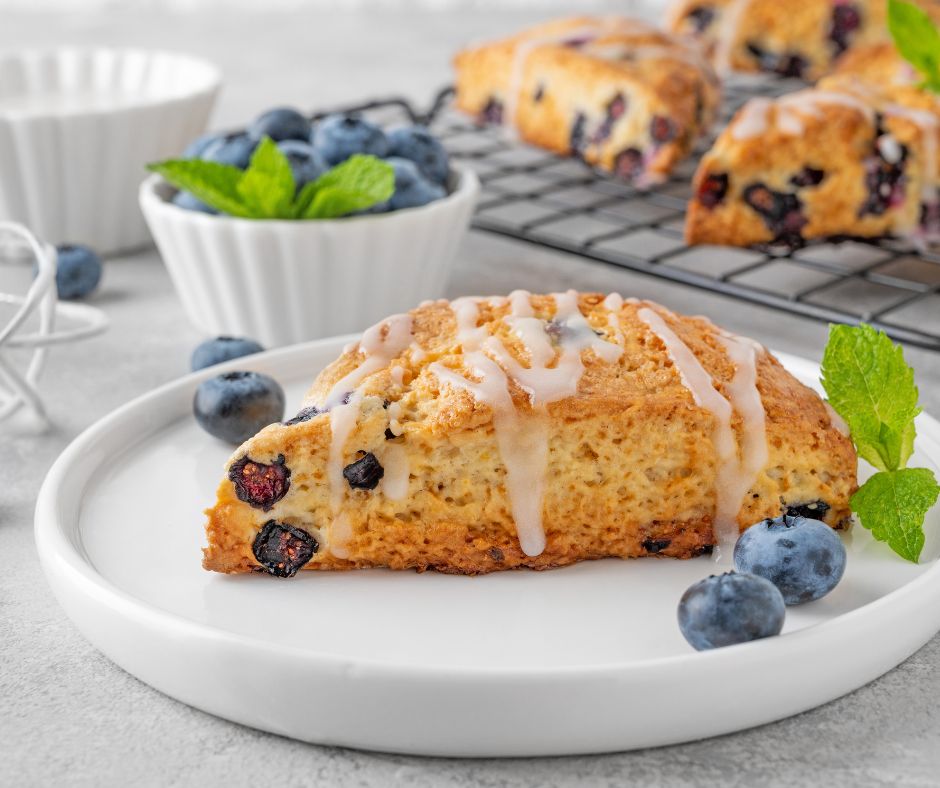
Dry or pale scones usually come from small missteps that are easy to fix. Start by measuring flour correctly, too much flour can quickly dry out the dough. Using enough fat and liquid is key, so don’t reduce the butter or cream unless you’re making a tested swap.
Brushing the tops with cream before baking helps them turn golden instead of dull. Bake in a fully preheated oven, as low heat prevents proper browning. Pull the scones out once they’re golden, not after they feel firm all over.
Make-Ahead & Storage Tips
- Refrigerate Dough: After shaping the wedges, cover and refrigerate overnight. Bake fresh the next day.
- Freeze Baked Scones: Wrap cooled scones individually and freeze for up to 3 months.
- Bake From Frozen: For uncooked scones, freeze wedges on a tray, then thaw slightly before brushing and baking.

Frequently Asked Questions
1. Can I use sourdough discard straight from the fridge?
Yes, cold sourdough discard works well in this recipe. It adds flavor without affecting the rise. Just mix it well with the wet ingredients so it blends evenly.
2. Why does this recipe use both white and brown sugar?
White sugar keeps the flavor light and clean. Brown sugar adds moisture and a soft caramel note. Together, they balance sweetness and texture beautifully.
3. Will frozen blueberries make the dough too wet?
Not if you use them straight from the freezer. Do not thaw them before adding. A light flour toss helps control excess moisture.

Sourdough Blueberry Scones
8
servings20
minutes30
minutes50
minutesIngredients
300 g (2½ cups) all-purpose flour
100 g (½ cup) cold butter, cubed
8 g (2 tsp) baking powder
2 g (pinch) salt
50 g (¼ cup) brown sugar
70 g (⅓ cup) white sugar
200 g blueberries (fresh or frozen)
1 large egg
150 g (⅔ cup) sourdough starter or discard
50 g (¼ cup) heavy whipping cream
1 tsp vanilla extract
2 tbsp heavy whipping cream
1–2 tbsp granulated sugar
Directions
- Start by preheating your oven to 390°F (200°C) so it’s fully hot when the scones go in. Line a flat baking tray with parchment paper to prevent sticking and promote even browning. A flat tray works better than one with high sides, as it allows heat to circulate freely. Set the tray aside while you prepare the dough.
- Place the flour and cold, cubed butter into a large mixing bowl. Using your fingertips, gently rub the butter into the flour until the mixture resembles coarse crumbs with small, pea-sized bits of butter throughout.
- Add the baking powder, salt, brown sugar, and white sugar to the bowl. Mix gently to distribute everything evenly before folding in the blueberries. Take care not to crush the berries, especially if they’re fresh, as this can release too much moisture into the dough.
- In a separate bowl, whisk together the egg, sourdough starter, cream, and vanilla extract. Mix until smooth and cohesive, making sure there are no streaks of egg or starter. This ensures the dough hydrates evenly once combined.
- Pour the wet mixture into the bowl of dry ingredients. Using a spatula or spoon, gently fold everything together until a shaggy, slightly uneven dough forms. Avoid overmixing, as this can make the scones dense instead of tender.
- Turn the dough directly onto the lined baking tray. Using your hands, gently pat it into a round shape about 11 inches (30 cm) wide. Using a sharp knife or dough scraper, cut the round into 8 equal wedges. Carefully pull each wedge slightly away from the center, leaving a bit of space between them.
- Brush the tops of each scone with a light layer of cream. Sprinkle generously with granulated sugar for added crunch and color. Place the tray into the preheated oven and bake for about 30 minutes. The scones should be deep golden on top, with set edges and soft centers.
- Remove the tray from the oven and let the scones rest for 10 minutes before serving. This short cooling time helps the crumb set without drying them out. Serve warm or at room temperature. These scones are best enjoyed fresh on the same day.
Notes
- If your kitchen is warm, chilling the shaped scones for 10–15 minutes before baking can help them hold their shape.
- Frozen blueberries should always be added straight from the freezer to avoid excess moisture.
- A rough, uneven dough is a good sign. Smooth dough usually leads to tougher scones.
- For extra shine, you can brush the tops with cream twice. Once before baking and lightly again halfway through.
- These scones freeze well once baked, but their texture is best on day one.